Comparative Analysis of Quartz Cuvette Models for Scientific & OEM Use
Introduction
Quartz cuvettes are critical optical components for UV/Vis/NIR spectroscopy in laboratories and OEM instruments. They offer superior UV transparency and chemical durability compared to glass or plastic cells, making them indispensable for accurate absorbance and fluorescence measurements. However, not all quartz cuvettes are built alike – differences in manufacturing methods and material quality can significantly impact performance, longevity, and suitability for various applications. This report provides a technical and commercial comparison of five quartz cuvette models commonly available to U.S. scientific and OEM buyers: Standard 80, Sintered 80, Sintered 83, Molded 83, and Molded 0.01. We examine each model’s construction, spectral transmission, chemical and thermal resistance, dimensional precision, typical use cases, and commercial positioning.
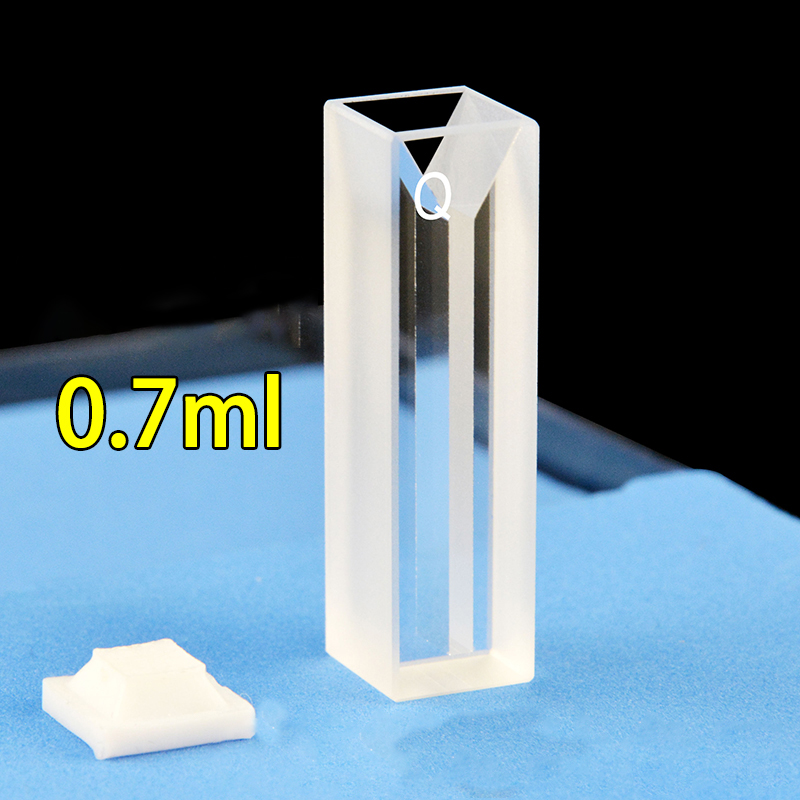
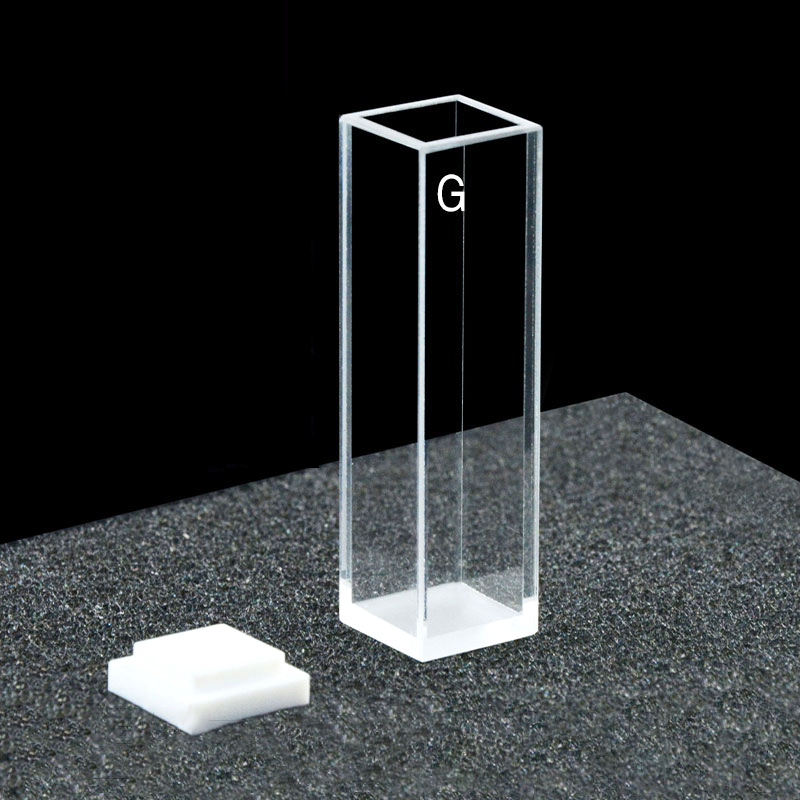
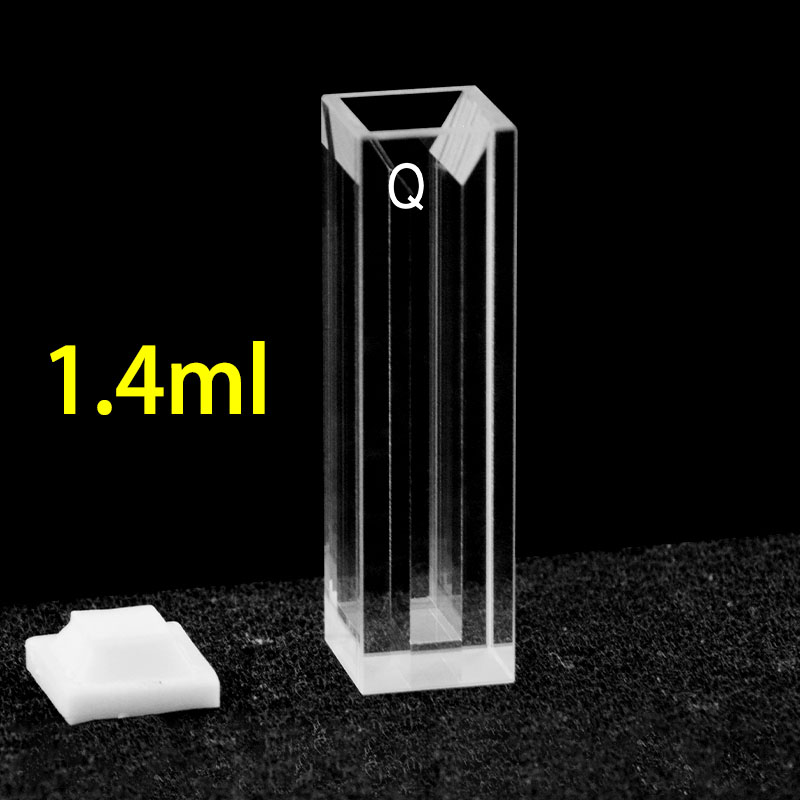
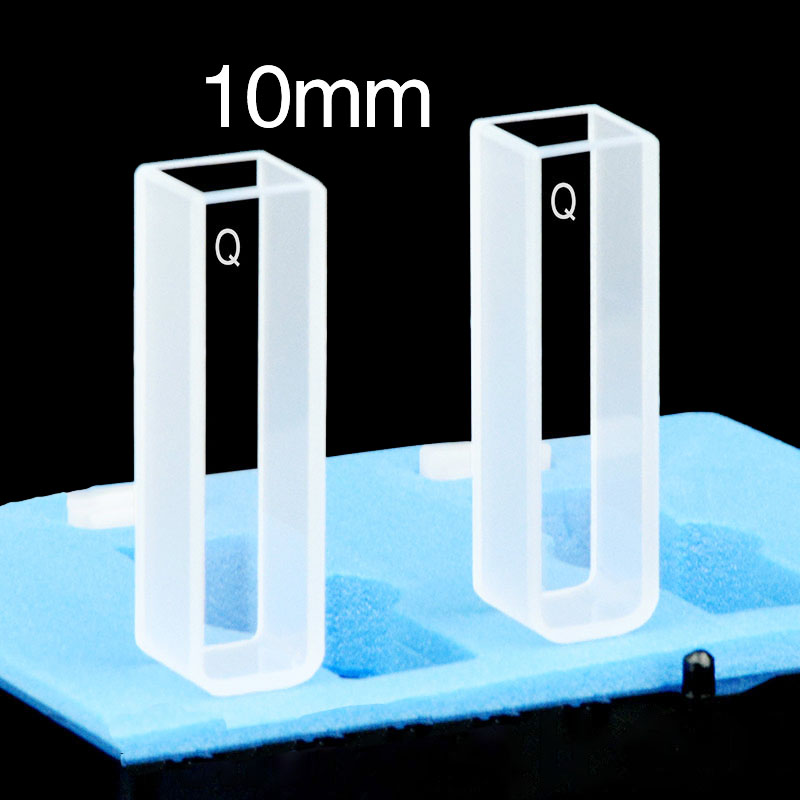
Two standard-profile quartz cuvettes with PTFE stoppers, used for UV-Vis spectrophotometry. High-purity quartz construction enables broad transmission from deep UV to NIR wavelengths, while optional caps help prevent sample evaporation.
Each model represents a different fabrication approach and performance tier. “Standard 80” is an adhesive-bonded cell targeting budget and general-purpose use, whereas the others are adhesive-free fused or molded quartz designs offering progressively higher purity and precision. “Sintered 80” and “Sintered 83” are fusion-bonded quartz cells (standard vs. high transmission grade), and “Molded 83” is a one-piece monolithic quartz cuvette. The flagship “Molded 0.01” is a customizable, ultra-precision cuvette engineered to meet or exceed premium international standards for accuracy and quality. The following sections detail the characteristics of each model, followed by a side-by-side comparison table.
Standard 80 – Adhesive-Bonded Quartz Cuvette
Manufacturing Method: The Standard 80 cuvette is constructed by adhesive bonding – pieces of quartz glass (optically polished windows and structural sides) are glued together with a special optical adhesive. This method is cost-effective and achieves the necessary 10 mm pathlength, but it introduces an organic bond line at the joints (in contrast to fused quartz joints in higher-end models). Because the cell is held together by epoxy or UV-cure glue rather than fused silica bonds, its mechanical and thermal robustness is limited. The adhesive layer can be a weak link under extreme conditions, though for routine handling it keeps the cuvette leak-tight and functional.
Spectral Transmission (UV/Vis/NIR): Despite using genuine quartz material for the windows, an adhesive-bonded cuvette may have slightly reduced deep-UV performance relative to fully fused cells. Standard 80 is typically made from UV-grade quartz that transmits down to ~200 nm, covering the entire UV–visible spectrum and into the near-IR (~2500 nm). In practice, a quality quartz cuvette (even glued) should provide around 80% transmittance at 200 nm for a 10 mm path – sufficient for most UV applications. However, users should be aware that some adhesives can absorb or scatter light below ~250 nm, potentially reducing transmission in the low-UV range. For visible and NIR wavelengths, Standard 80 performs comparably to other quartz cuvettes (quartz is essentially transparent up to ~2500 nm). In summary, it delivers the UV/Vis/NIR range benefits of quartz, but with caution for the very lowest UV wavelengths if the adhesive or any impurities introduce absorbance.
Chemical and Thermal Resistance: Chemical inertness and temperature tolerance are the main trade-offs with adhesive bonding. Standard 80 is recommended only for neutral pH solutions and mild solvents at ambient temperatures. Organic solvents like benzene or toluene, and strong acids or bases (e.g. aqua regia, NaOH), can attack or dissolve the glue joint over time. Exposure to such corrosive liquids may cause the cuvette’s bonded seams to weaken, leak, or come apart – risking sample loss or contamination of your instrument. Likewise, elevated temperatures will soften or degrade the adhesive: use is generally limited to below ~100 °C. This means Standard 80 cuvettes are not suitable for autoclaving or high-temperature sample heating. In contrast, pure fused quartz can withstand 600–1000 °C, but the presence of glue in Standard 80 imposes a much lower thermal ceiling. Sudden temperature changes can also stress the glue joints. In summary, Standard 80 should be reserved for routine measurements at room temperature (or moderate heat) with non-corrosive samples. Within these limits, it offers adequate chemical compatibility (quartz itself resists most solvents) – but for aggressive chemicals or high-temp use, an all-quartz fused cuvette is essential.
Precision (Pathlength & Repeatability): The adhesive assembly process yields acceptable but lower dimensional precision compared to precision-fused cells. Typical pathlength tolerance for glued cuvettes is on the order of ±0.1 mm (about 1% of the 10 mm path) in economy models. The optical faces are polished flat, but the glue layer thickness and manual assembly can introduce slight variations in internal width. This is generally sufficient for standard spectrophotometry (where 1% absorbance variation is usually within allowable error), but it falls short for highly quantitative or regulatory work. By contrast, high-end cuvettes boast tolerances down to ±0.01 mm. Thus, Standard 80 is not typically individually certified for pathlength accuracy. Users doing comparative measurements should ideally use the same cuvette each time or a matched pair, since two glued cuvettes might differ a bit more in optical path. Still, for many routine applications (concentration assays, colorimetric analyses), the precision of Standard 80 is adequate. Its repeatability can be good as long as the cuvette is handled carefully (avoid stressing the joints) and kept clean. Overall, it provides a functional level of accuracy for everyday lab use, but is not intended for demanding precision analytics.
Typical Applications: The Standard 80 adhesive-bonded cuvette is well-suited to general laboratory and educational use, especially when budget or high-throughput needs call for a lower-cost quartz cell. Common applications include UV-Vis absorbance measurements of nucleic acids (DNA/RNA at 260 nm), proteins (280 nm), and routine chemical assays above ~220–250 nm. It is popular in academic teaching labs, field kits, and any situation where many cuvettes might be needed and occasional breakage or replacement is expected. Standard 80 allows users to step up from plastic or glass cuvettes to quartz affordably, gaining access to the UV range and better solvent resistance. However, it is not recommended for prolonged exposure to harsh solvents or for critical measurements requiring high stability. In OEM terms, an instrument manufacturer might include Standard 80 cuvettes as introductory accessories or for instruments targeting basic applications. They are a budget-friendly, entry-level quartz cuvette – ideal for less demanding tasks, but generally outclassed by fused designs in performance.
Commercial Positioning: As the most economical quartz cuvette option, Standard 80 is positioned as a cost-effective solution for routine spectroscopy. It provides the essential benefits of quartz at a fraction of the price of premium cells, making it attractive for purchasers who need quartz’s UV transparency but have tight budget constraints. Its value proposition is simplicity and affordability: it will do the job for standard tests and can be bought in bulk. For laboratories with high sample throughput or students, the lower cost per cuvette is advantageous. On the flip side, buyers accept the limitations in extreme durability – Standard 80 is not meant to last forever in corrosive or thermal extremes. In summary, this model serves as a starter quartz cuvette or spare/replacement cell. It competes with other low-cost quartz or even high-end glass cuvettes, offering a step up to quartz performance with the understanding that it’s a trade-off between price and top-end robustness.
Sintered 80 – Fused Quartz (Standard Purity)
Manufacturing Method: Sintered 80 is a fusion-bonded quartz cuvette made without any adhesives. In fabrication, the quartz components (windows and walls) are joined by heating them to high temperature until the touching surfaces fuse together at a molecular level. Often a fine quartz powder (frit) is applied at the edges as a bonding agent before heating – a process sometimes termed sintering – which helps fill microscopic gaps and facilitates the fusion of parts. The result is that the cuvette’s joints become pure quartz material, essentially making the assembled cuvette one continuous piece of fused silica. This thermal bonding process (kept below the full melting point to preserve optical polish) creates a monolithic quartz structure with no glue lines. Sintered 80 uses standard-purity fused quartz, meaning the quartz is of high optical quality but not the ultra-pure grade used in “high transmission” cuvettes. The manufacturing is more involved than adhesive bonding, but it yields a far more robust cell. All fused seams are transparent and chemically integrated, ensuring the optical path is clear and the cell is rigid and durable.
Spectral Transmission: Being made of 100% quartz with no adhesives, Sintered 80 has excellent optical transmission across UV, visible, and NIR wavelengths. It covers the full UV/Vis range down to around 190–200 nm and up to ~2500 nm, similar to any good UV-grade quartz cuvette. However, because this model uses “standard purity” quartz, its extreme UV transparency is slightly less than the premium grades: expect on the order of ≈80% transmittance at 200 nm (10 mm path). This meets common specifications for quartz cuvettes (many vendors guarantee ≥80% at 200 nm for standard quartz). In practical terms, Sintered 80 is suitable for most UV measurements, including those at the critical 200–220 nm range (e.g. peptide bonds around 205 nm). It may have a marginally higher absorbance in the deep UV compared to the “83” high-transmission series, due to trace impurities or hydroxyl content in the quartz. Those impurities (common in natural or standard fused quartz) can cause a slight cutoff around 190 nm and subtle absorption bands. In the visible range (340 nm–800 nm) and near-IR (out to ~2.5 µm), there is effectively no difference between standard and ultra-pure quartz – both are >99% transmissive except for minor OH absorption near 2.7 µm. Thus, Sintered 80 confidently handles everyday UV-Vis needs. Unless one’s work involves pushing to the very lowest UV wavelengths (<200 nm) or requiring absolute minimum absorbance, the spectral performance of Sintered 80 is virtually on par with pricier high-end cuvettes.
Chemical and Thermal Resistance: A key advantage of the Sintered 80 (and any fused quartz cuvette) is its superior chemical and thermal resilience. With no organic glue present, the cuvette is composed entirely of inert quartz and can tolerate aggressive cleaning and harsh reagents. Sintered 80 can safely hold corrosive acids (including aqua regia) or organic solvents without damage or leakage. The fused quartz joints do not degrade in solvents – they maintain integrity even in chemicals that would destroy adhesives. This makes Sintered 80 appropriate for applications in which samples contain strong acids, bases, or solvents like chloroform, benzene, etc. (Note: quartz itself is only attacked by a few substances, such as hydrofluoric acid or hot concentrated alkali, which dissolve silica – but these extreme cases apply equally to any quartz cuvette). Thermally, Sintered 80 is far more robust than glued cells: it can withstand high temperatures up to the limits of quartz glass. Quartz softening point is around 1500 °C, but practical use might be rated to ~600 °C or more (often the limit is set by any ancillary components like PTFE caps). In fact, fused quartz cuvettes can be autoclaved (121 °C steam) or flame-sterilized, and can endure drying ovens or heat treatment that would cause glued cuvettes to fall apart. Thermal shock should still be avoided (quartz can crack if quenched suddenly), but gradual heating/cooling is fine. Overall, Sintered 80 offers excellent chemical inertness and thermal stability: it will not fall apart under conditions that would destroy an adhesive-bonded cell. This robustness translates to longer service life and reliability – users can clean it with strong solvents or acid washes, and use it in higher-temperature experiments, with confidence that the cell will remain intact and optically clear.
Precision (Pathlength & Build Accuracy): The fusion bonding process of Sintered 80 yields improved dimensional precision over glued assembly. Quartz pieces can be aligned precisely in a jig and then thermally bonded, resulting in a very consistent 10.00 mm path length. While the exact tolerance is determined by manufacturing quality, typical pathlength variation is much smaller than with glued cells. Many fused quartz cuvettes come with pathlength tolerances on the order of ±0.02–0.05 mm, sufficient for reliable quantitative comparisons. The optical windows of Sintered 80 are ground and polished to high flatness, ensuring parallel faces and minimal beam distortion. There are no glue layers to introduce uneven spacing. The term “80” does not explicitly denote tolerance, but this model is considered a precision-crafted standard. For most routine analytical work, its accuracy is more than adequate – users can expect good reproducibility between different Sintered 80 cuvettes. It may not be individually certified, but the manufacturing process inherently controls dimensions tightly. Additionally, the rigid fused construction means the pathlength won’t change over time (glue shrinkage or creep is not a factor). In summary, Sintered 80 provides a stable 10 mm optical path with better reproducibility than adhesive cells. This enables more consistent absorbance readings across multiple uses and multiple cuvettes. For labs doing quantitative analyses (e.g. calibration curves, kinetics), the improved pathlength consistency reduces one source of error. While higher-tier models can push precision further, Sintered 80 already meets the needs of the vast majority of spectroscopic measurements in terms of accuracy and alignment.
Typical Applications: Sintered 80 is a true workhorse cuvette for research and industrial labs. Its combination of UV transparency, chemical resistance, and durability makes it suited to a wide range of applications:
- UV-Vis absorption spectroscopy: routine measurements of samples in pharmaceuticals, environmental testing (e.g. water UV absorbance), chemistry research, and biochemistry. It handles measurements at 260 nm, 280 nm, and down to ~200 nm for detecting small molecules or impurities.
- Fluorescence spectroscopy: If a 4-window version is made in this style, it can be used for fluorescence measurements requiring quartz (since quartz has low auto-fluorescence). The standard 2-window Sintered 80 mainly serves absorbance setups.
- Method development and QA/QC: Labs in pharmaceutical or chemical manufacturing can use these for reliable, repeatable analyses where cells may be cleaned with solvents often.
- Teaching and academic research: While slightly more expensive than glued cells, the Sintered 80’s longevity and resistance to student “mistreatment” (like improper cleaning) can make it more cost-effective over time. They can survive being dropped in cleaning baths or exposure to various reagents during experiments.
- OEM integration: Instrument manufacturers may choose Sintered 80 cuvettes to include with mid-range spectrophotometers or as recommended accessories, because they offer a balance of quality and cost. They ensure the customer gets good data without the vendor worrying about cell failure due to chemicals.
In essence, Sintered 80 is the go-to general-purpose quartz cuvette for professionals. It can be thought of as the standard grade fused quartz cell – solid, dependable, and suitable for everyday use in both research and routine analysis.
Commercial Positioning: In the marketplace, Sintered 80 occupies the mid-range segment of quartz cuvettes. It is priced above basic glued cells but below the specialized ultra-high-purity or custom cells. The value proposition is clear: for a moderate increase in cost, users get a dramatically more robust and reliable cuvette (no leaking or failing seams). This appeals to procurement officers and lab managers who prioritize long-term durability and safety. Sintered 80 is often positioned as an OEM-compatible standard – its dimensions follow international 12.5 mm square guidelines, making it a drop-in replacement or upgrade in virtually any spectrophotometer or optical instrument. It is also marketed as an alternative to premium European brands for standard use cases, delivering comparable chemical/thermal performance and decent optical quality without the premium price tag. While it may not have all the bells and whistles of a flagship cuvette, Sintered 80’s commercial appeal lies in its reliability and broad applicability. Many suppliers highlight that by choosing a fused quartz cuvette like Sintered 80, users avoid the hidden costs of instrument damage or data loss that can occur with cheap glued cells. Overall, Sintered 80 is positioned as a high-value, high-reliability choice for labs and OEM customers: it provides professional-grade performance for most applications, making it the baseline recommendation for UV/Vis work that demands more than what glued cells can offer.
Sintered 83 – Fused Quartz (High Transmission)
Manufacturing Method: The Sintered 83 model is likewise a fused quartz cuvette (no adhesives, quartz pieces bonded by heat), but it distinguishes itself through the use of high-purity, high-transmission quartz. Manufacturing is similar to Sintered 80 – often involving optical contact bonding or sintering – but the raw quartz material is of superior grade. This typically means synthetic fused silica or ultra-pure quartz with extremely low levels of metal ions and hydroxyl impurities. The fabrication process is tightly controlled to preserve optical quality; bonding may be done via direct optical contact and diffusion bonding, yielding virtually invisible joints. Essentially, Sintered 83 is built to the same structural standard as Sintered 80 but using the best available quartz glass. This can also involve additional quality checks (for example, verifying the absence of striae or inclusions). The “83” designation hints at its optical performance, and also correlates with transmission specs (as we’ll see below). From a build standpoint, expect exacting craftsmanship – the cuvette is still a monolithic quartz unit after fusion, with smooth, clear seams. It’s essentially a premium version of a standard fused cuvette, manufactured to meet more rigorous optical standards.
Spectral Transmission: As a high-transmission quartz cell, Sintered 83 offers superior UV transparency. It reliably transmits deep-UV wavelengths down to ~190 nm with very low absorption. A typical specification is >83% transmission at 200 nm (10 mm path), which is a notch above the ~80% from standard quartz. This indicates the use of synthetic or optical-grade quartz with minimal UV cutoff. In practice, the Sintered 83 can be used for measurements at 190–200 nm (such as far-UV absorbance for certain chemical analyses or detection of substances like nitrate, which absorb ~200 nm). The improved transmission also means less background absorbance, which benefits any low-concentration measurements near the UV cutoff. Across the entire UV-Vis range (190–800 nm), Sintered 83 provides very high optical throughput with almost no absorption lines. In the NIR, it covers up to about 2500 nm like other quartz cuvettes. If the quartz type is a low-OH variety, it may even transmit out to 3000+ nm with only minor water absorption bands. The “high transmission” moniker primarily refers to UV though – essentially Sintered 83 meets or exceeds the transmission of internationally recognized premium cuvettes (many of which guarantee ≥82% at 200 nm). For the user, this means maximum sensitivity and minimal baseline interference even at the shortest wavelengths your spectrophotometer can reach. It is the ideal choice when you cannot afford any compromise in optical clarity – for example, in UV spectroscopy of aromatics, where even slight cuvette absorbance could affect results. In summary, Sintered 83 extends the transparency of quartz to its practical limits, enabling demanding UV/NIR applications.
Chemical and Thermal Resistance: Since Sintered 83 is also an all-quartz, adhesive-free cuvette, it shares the same outstanding chemical and thermal durability as Sintered 80 – and possibly even better longevity due to the purity of the quartz. Chemically, the absence of impurities means fewer sites for any potential reaction; practically, however, quartz is quartz, so the differences are subtle. The cuvette can hold strong acids, bases, solvents, etc., with no risk of bond failure or contamination. It can be cleaned with harsh reagents (nitric acid baths, organic solvent rinses) or sterilized repeatedly without clouding or weakening. Thermally, Sintered 83 can handle extreme temperatures just like other fused quartz cells. The high purity quartz might better withstand prolonged high-temperature use before any devitrification (crystallization) occurs, but in normal lab use this is rarely a concern. Users can autoclave it, use it for heated sample analysis (some spectrometers have cell holders that heat samples to 60–100 °C; Sintered 83 does this effortlessly), or even use the cell in cryogenic or elevated-temperature spectroscopic setups (quartz remains stable at liquid nitrogen temperatures and up to hundreds of degrees Celsius). In short, there are no practical chemical or thermal limitations with Sintered 83 for laboratory use – it will tolerate anything the sample or cleaning process demands, short of the known quartz solvents (e.g. HF) or unwise thermal shock. This robustness is particularly valuable in high-end applications: for example, in pharmaceutical analytics where cuvettes might be subjected to rigorous cleaning validation with aggressive chemicals, Sintered 83 will survive unscathed, ensuring compliance and reusability.
Precision (Pathlength & Dimensional Control): Sintered 83, being a premium product, is manufactured with very tight dimensional tolerances and quality control. The pathlength accuracy is typically excellent (on the order of ±0.01–0.02 mm), reflecting the care in production. Some high-performance cuvettes are even individually tested to confirm pathlength – Sintered 83 may be offered with a certificate or at least a high confidence of precision due to the process. The optical faces are polished to high flatness and parallelism (often on par with top brands), ensuring minimal distortion of light. Because this model targets customers who need high precision, the consistency from unit to unit is expected to be very high; one can comfortably swap out cuvettes in a spectrophotometer and trust that any absorbance differences are due to the sample, not the cell pathlength. In essence, Sintered 83 delivers reference-grade accuracy and reproducibility for pathlength and optical alignment. This can be critical in quantitative analysis – for instance, if you are measuring standards and samples in different cuvettes, the results remain reliable. Additionally, high precision in manufacturing means the cuvette’s external dimensions are exact (12.5 mm square, etc.), which is important for automated instruments or holders with tight tolerances. The Sintered 83’s build quality likely also includes features like fire-polished or chamfered edges (to reduce chipping) and stress-free annealed quartz, further ensuring stable geometry. Overall, users can expect Sintered 83 to perform at a metrological grade level for optical path consistency. It essentially matches the precision of premium international cuvette makers, which often quote pathlength accuracies in the hundredths of a millimeter or better.
Typical Applications: Sintered 83 is designed for demanding spectroscopic applications where both broad spectral range and top-tier accuracy are required:
- Pharmaceutical and biotech analysis: e.g., measuring protein solutions at low UV wavelengths (~205–210 nm) or analyzing drug compounds that absorb in the far UV. The high transmission ensures detection of low-concentration analytes without cuvette absorption bias.
- Analytical chemistry R&D: for example, monitoring reaction kinetics at multiple wavelengths, or any assay where the cuvette’s contribution to absorbance must be virtually nil. If an experiment involves comparing absorbance at 200 nm vs 260 nm, having a cuvette that is transparent at 200 nm (like Sintered 83) is essential.
- Calibration and standardization: Sintered 83 is suitable for use with spectrophotometer calibration standards (potassium dichromate, holmium oxide, etc.) because its optical properties won’t skew the known reference values. High-end labs might use these cuvettes when certifying instrument performance.
- Fluorescence and low-level detection: The ultra-pure quartz has very low auto-fluorescence and scattering, benefiting fluorescence spectroscopy or nephelometry at UV wavelengths. If a fluorescent measurement requires excitation at ~250 nm, a high transmission quartz cell prevents unwanted absorption of the excitation light.
- OEM and instrument integration (high-end): A manufacturer of a top-of-the-line UV-Vis spectrometer or a specialized UV analyzer might include Sintered 83 cuvettes to ensure the instrument’s advertised performance is met. It can serve as a direct replacement for premium imported cells in equipment.
- Clinical and regulatory labs: where methods (like certain USP methods) call for specified optical tolerance and where cuvettes might undergo validation and tracking. The consistency of Sintered 83 supports compliance in such regulated environments.
In summary, Sintered 83 shines in any scenario that calls for both the ruggedness of fused quartz and the maximum optical clarity available. It is the cuvette of choice for scientists who cannot accept the slight compromises of standard grade cells in their measurements.
Commercial Positioning: Sintered 83 occupies the premium tier of standard cuvettes. It’s often marketed as an upgrade or alternative to the highest-end brands (without naming them) – offering equivalent purity and precision but possibly at a more competitive price or with local (U.S.) availability. For buyers in procurement, the Sintered 83 justifies its higher price by delivering performance that could prevent analytical errors and by lasting essentially indefinitely under proper care. It is positioned as ideal for instrument manufacturers and labs that demand the best. In OEM contexts, using Sintered 83 can be a selling point for an instrument (“supplied with high-purity precision quartz cells” as a feature). The model is also presented as future-proof – meeting not only current needs but anticipated stricter standards. For example, as analytical methods push into lower wavelengths or tighter validation criteria, Sintered 83 is already capable. Commercially, it suggests a commitment to quality: a lab that chooses these cells signals that they prioritize data integrity. Vendors often highlight that each Sintered 83 cuvette is manufactured to global top-tier specs, meaning customers can switch from a well-known German or Japanese cuvette to this model without any loss of performance. Thus, the Sintered 83 is positioned not just as a product but as a solution for high-performance needs – a no-compromise quartz cuvette for the discerning user willing to invest in quality.
Molded 83 – Monolithic Molded Quartz
Manufacturing Method: The Molded 83 is a monolithic quartz cuvette formed by a molding process, yielding a one-piece construction. Unlike the Sintered models (which start as separate panes fused together), the Molded 83 is produced such that the walls and base of the cuvette are a continuous quartz structure. In practice, this might involve heating quartz to a softened state and pressing it in a precision mold under controlled conditions. Another approach is to take a quartz tube or blank and thermoform it into a cuvette shape. The exact proprietary method can vary, but the result is the same: no seams or junctions at all in the cuvette body. Notably, even fused cuvettes have fused seams (albeit chemically bonded), but Molded 83 eliminates seams entirely by being cast/formed as a unit. This design is sometimes referred to as “fully fused” or “one-piece” construction. The “83” indicates that high-purity quartz is used (comparable material to Sintered 83). Thus, Molded 83 combines top material quality with a unique construction that maximizes structural integrity. After molding, the cuvette’s optical faces are polished to the required clarity. The interior surfaces and corners are smooth from the molding process, which can reduce places where solvent or particles might get trapped. Overall, the manufacturing emphasizes mechanical robustness and uniformity – each Molded 83 cell is essentially identical and free of any interface between parts. This can improve consistency for OEM applications, as the molding process can be highly repeatable. It’s worth noting that achieving a precise monolithic quartz shape is technically challenging; the Molded 83 is a specialized product reflecting advanced manufacturing capabilities.
Spectral Transmission: Because Molded 83 uses the same high-transmission quartz as Sintered 83 (just shaped differently), its optical performance is equally excellent. It covers the 190 nm – 2500 nm range with >82–85% transmittance at 200 nm. The monolithic construction itself does not change the spectral properties of quartz (quartz’s transparency is intrinsic), but it can have subtle benefits: With no fusion joints, there are absolutely no differences in refractive index or potential microscopic bubbles at seams – the optical path is through homogeneous quartz only. In practice, a well-made fused seam is also homogeneous quartz, so the difference in transmission is negligible. However, the one-piece nature guarantees that the entire optical path is as pure as the base material; there is no possibility of slight impurities from bonding agents or any micro-voids at joints. This can reduce stray light or scattering to an absolute minimum. For instance, in a traditional fused cuvette, if the seam is not perfectly polished, it could scatter a tiny fraction of light (though not absorb). Molded 83 avoids even that possibility. Thus, for critical optical setups, the monolithic cell offers the cleanest optical path. Additionally, some molded cuvettes feature rounded corners or bases (as suggested by “Molded Round Base” variants) which can improve internal light transmission by avoiding sharp corners where light might reflect or refract oddly. For the user, Molded 83 can be treated as equivalent to the best fused quartz in terms of spectral range – fully UV-capable (ideal for far-UV work), and completely transparent through the visible and NIR. It maintains the high transmission profile of premium quartz, supporting sensitive measurements without adding background absorption or fluorescence.
Chemical and Thermal Resistance: Molded 83, being entirely quartz with no joints, has unsurpassed chemical and thermal durability. It shares the same chemical inertness: acids, bases, and solvents do not affect it, and since there are no seams, there is zero chance of chemical attack on a junction or any leakage. One practical advantage of monolithic construction is in pressure or vacuum applications – while standard cuvettes are often used open to atmosphere, in certain setups (like flow cells or sealed cells) a one-piece body can withstand pressure differentials better because there are no bonded edges that could separate. Every Molded 83 unit is essentially a small quartz vessel that could be pressure-tested like laboratory glassware. Similarly, thermal stress distributes evenly in a one-piece structure; there are no fused boundaries that might have slightly different thermal expansion characteristics (though in fused quartz this is usually not an issue, as all parts are same material). The cuvette can be heated to high temperatures (hundreds of degrees) or cooled cryogenically without concern for differential expansion at joints. In terms of thermal shock, it is still quartz so care is needed, but a monolithic piece may tolerate rapid changes marginally better since it doesn’t have junctions that could concentrate stress. Cleaning-wise, one can boil it in acid, autoclave it, or use ultrasonic cleaners freely. Essentially, Molded 83 is as chemically inert and heat-proof as a solid quartz block – it sets the benchmark for durability. Manufacturers sometimes highlight that these monolithic cuvettes are even pressure-tested or stress-tested to ensure reliability (e.g., some all-quartz cells are tested beyond 5 bar pressure). While routine spectrometry doesn’t involve pressurizing cuvettes, this is a testament to their strength and build quality. For labs, it means the cuvette is extremely unlikely to fail or leak, even in extreme use scenarios. This level of robustness makes Molded 83 particularly suited for OEM instrumentation that might see rough handling or need long-term stability (for instance, a cuvette permanently mounted inside a device that should last years).
Precision (Pathlength & Geometry): The molding process can deliver very high precision in the cuvette’s internal dimensions. In fact, because the shape is formed in a mold, dimensional consistency from unit to unit is excellent – potentially even better than hand-assembled fused cells, since once the process is tuned, every molded part comes out nearly identical. The pathlength is inherently set by the mold’s inner core dimension, which can be made to tight tolerances. After molding, minimal polishing of the inner faces (if any) would be done, meaning less manual variation. We can expect Molded 83 to have a pathlength tolerance comparable to the high-end fused cuvettes (±0.01 mm class). If anything, the reproducibility might be higher (lower batch-to-batch variation) since the process is not assembling multiple pieces each time. The repeatability of pathlength and optical alignment is a selling point for OEMs who need consistent performance across many instruments. Additionally, because it is monolithic, the cell has perfect alignment of faces by design – there’s no risk of one optical window being slightly misaligned or tilted relative to the other (which could conceivably happen if fused assembly were off by a tiny angle). Molded 83’s windows are integral to the structure, so their parallelism is built-in and assured. This contributes to extremely low wedge error and high beam collimation through the cell. One could say the geometrical perfection of Molded 83 is second to none. The pathlength accuracy can be on par with Sintered 83 (and likely specified similarly), but the confidence in uniformity is higher. For critical applications requiring many identical cuvettes (say, a 96-cuvette auto-sampler or a calibration across multiple instruments), having identically molded cuvettes ensures each measurement path is the same. In summary, Molded 83 provides top-tier precision and interchangeability – each unit is as good as the next, thanks to the controlled one-step fabrication. It essentially eliminates any slight human assembly variability present in multi-piece construction.
Typical Applications: Molded 83 finds use in situations that demand extreme reliability, ruggedness, or volume usage:
- OEM instrument integration: This model is ideal for manufacturers of analytical instruments (spectrophotometers, analyzers, photometers) who want to incorporate a cuvette that will never be a point of failure. For example, a portable field spectrometer might use a Molded 83 permanently installed in the optical path – its one-piece durability can handle transportation, vibration, and temperature swings better than a glued or even fused cell. OEMs can advertise that their instrument uses a “monolithic quartz cell” as a quality indicator.
- Industrial process monitoring: If used in flow-through configurations or custom cells, monolithic quartz can handle pressure and long-term exposure. Molded 83 could be adapted into flow cells for petrochemical or environmental monitors where the cell might be under slight pressure or need to last for thousands of hours.
- High-throughput screening and automation: In scenarios like high-throughput UV-Vis measurements (e.g., in pharma R&D or environmental testing labs), large numbers of cuvettes might be used. Molded 83’s consistency ensures that each measurement is comparable. Also, its durability means less frequent replacement – important in automated systems to avoid downtime.
- Harsh laboratory environments: For labs that frequently use strong corrosives (e.g., geochemistry labs using HF or hot acids, though quartz will succumb to HF eventually) or those that sterilize equipment routinely, Molded 83 will survive where others might not. It’s essentially over-engineered for durability, giving peace of mind in any tough application.
- Precision analytical methods: Although Sintered 83 already covers precision, some methods might specify or benefit from monolithic cells to avoid even the slightest risk of inhomogeneity. Molded 83 can be used for reference measurements or in calibration hierarchies where you want the stablest reference cell possible.
In essence, Molded 83 serves customers who need the best of both worlds: optical excellence and rock-solid construction. It may be somewhat more than what a casual user needs, but for critical tasks it provides an extra margin of safety and consistency.
Commercial Positioning: Molded 83 is positioned as a premium, high-reliability cuvette – one that can command a higher price due to its unique benefits. It’s often marketed to OEMs and specialized users rather than general catalog sales, since its advantages (monolithic strength) may be most appreciated in an engineering context. The message to buyers is that Molded 83 is a long-term investment: while you pay more upfront, you get a cuvette that essentially won’t fail or need replacement under normal use, and that ensures consistent performance. This can translate to cost savings over time (fewer replacements, no instrument damage from leaks). For OEM customers, another aspect of its positioning is customization: manufacturers can often work with the supplier to tweak dimensions or features for their specific integration needs. Because it’s molded, slight design variations (like a different base shape, a built-in aperture, etc.) might be feasible in production runs, which is attractive for OEM devices. Molded 83 is also frequently highlighted as U.S.-ready and compatible – meaning it conforms to standard sizes (fits in any 1 cm pathlength holder), and is available through domestic supply chains with reliable quality control. This makes it an appealing alternative to sourcing custom cells internationally. By not naming competitor brands, sellers of Molded 83 will stress that it “meets or exceeds the performance of leading international brands’ cuvettes” in every category (transmission, tolerance, etc.), essentially conveying that this is a state-of-the-art product. In the product lineup, Molded 83 is a step below the ultimate flagship (Molded 0.01) only in the precision grading, but equal in most other respects. It’s positioned as the solution when you want the highest build quality available for a standard 10 mm cuvette.
Molded 0.01 – Custom High-Precision Quartz Cuvette (Flagship)
Manufacturing Method: The Molded 0.01 is the flagship model, representing the pinnacle of quartz cuvette manufacturing. It builds upon the monolithic molding approach of the Molded 83 but introduces even tighter quality control and the possibility for custom engineering to client specifications. “0.01” refers to its exceptional pathlength tolerance of ±0.01 mm (10 µm), which is an order of magnitude finer than typical cells. Achieving this requires the most advanced fabrication techniques: each cuvette is likely individually fine-tuned or measured. The manufacturing could involve precision molding followed by meticulous optical polishing and interferometric verification of the pathlength. In some cases, suppliers of such high-precision cells will measure the pathlength using interference patterns and certify each cuvette’s path length accuracy to within 0.01 mm or better. The quartz material used is highest purity synthetic quartz, comparable to or better than that in Sintered/Molded 83. It may be sourced to have minimal impurities and excellent optical homogeneity. Molded 0.01 cuvettes might also be made in small batches or per order, allowing custom path lengths (for example, 5.00 mm, 10.00 mm, etc. with ±0.01 mm tolerance) or custom dimensions (to fit a particular OEM holder). The manufacturing process emphasizes traceability and quality: for instance, each unit could be laser-engraved with a serial number and accompanied by a certificate of conformity to standards. Essentially, this model is produced with a “no compromise” philosophy – every cell meets premium international standards (such as ISO ENTRY or relevant ASTM/USP standards for spectrophotometric cells). It is truly custom-engineered: if an OEM needs a slightly non-standard size or an odd pathlength (say 8.00 mm) for a specialized instrument, the Molded 0.01 can be made to those specs while still holding the tight ±0.01 mm tolerance. All aspects of its construction — from the flatness of optical faces to the polish of interior surfaces — are of the highest order, comparable to the best cuvettes globally available. In short, the Molded 0.01’s manufacturing combines cutting-edge technology and craftsmanship to deliver elite performance with customization options.
Spectral Transmission: As expected for a flagship quartz cuvette, Molded 0.01 offers maximum spectral range and clarity. Using top-grade synthetic quartz, it is transparent from the low UV (~180–190 nm) through the visible and into the IR (2500 nm or beyond). One can assume >83% transmission at 200 nm, similar to the high-transmission models, and essentially 0% distortion of the light through the visible range. The materials and polishing are chosen to minimize any optical artifacts: e.g., no striations, no birefringence issues, and minimal autofluorescence. Every cuvette is like a reference standard piece of optical quartz. If any enhancements are possible (for instance, maybe an anti-reflective coating on the exterior surfaces or special polishing to reduce scatter), this model would be the one to have them – though typically cuvettes are uncoated. The main point is that Molded 0.01 meets or exceeds all optical specs required by premium standards. For example, if an application requires measuring down at 190 nm (far UV) or up at 3400 nm (mid-IR), these cells can handle it (with appropriate material selection like UV-grade or IR-grade quartz). The “U.S.-ready” aspect implies the cuvette is compatible with standard instruments, but also it hints that the product is made to comply with strict quality norms perhaps demanded by U.S. laboratories and agencies. Spectrally, the user of Molded 0.01 will not be limited by the cuvette in any way – the limiting factor will likely be the instrument’s lamp or detector, not the cuvette’s transmission. This gives researchers full confidence to explore any wavelength range supported by quartz with no performance penalty.
Chemical and Thermal Resistance: Molded 0.01, being a monolithic quartz cell, inherits the same supreme chemical and thermal resistance described for Molded 83. It is completely inert to nearly all laboratory chemicals (with only the known exceptions like HF acid that dissolves quartz itself). It can be sterilized, autoclaved, heated, or subjected to sterilant chemicals repeatedly without any deterioration. In high-end use cases, this level of durability is crucial. For instance, in pharmaceutical analysis labs, cuvettes might need to be validated and cleaned thoroughly between uses – a process that could involve 1 M HCl or NaOH rinses, solvents, and autoclaving. Molded 0.01 can withstand all that, ensuring regulatory compliance (e.g., no cross-contamination between samples due to cuvette residues) and longevity. Thermal tolerance is up to the quartz limit (~1100 °C if one were to really push it, or ~600 °C in practical lab terms limited by handling). Some specialized uses might involve heating the cuvette contents (for example, UV-Vis thermal denaturation studies of biomolecules) – the flagship cuvette will easily handle such cycles. Moreover, each unit likely undergoes rigorous testing: some manufacturers pressure-test their high-end cuvettes or ensure they hold seal under extreme conditions. This ensures that even an outlier unit has no hidden flaws. For an OEM or lab, using Molded 0.01 means essentially zero risk of chemical or thermal failure – a big plus in critical workflows. Another aspect is that by exceeding standard requirements, these cuvettes can be used in regulated environments. They may conform to, for example, USP Type I flow cell or cuvette requirements, or ISO 10110 optical component specs, etc., giving confidence in audits and quality systems. In summary, Molded 0.01 offers rock-solid reliability: it is a cell you can treat almost like a piece of lab glassware in terms of cleaning/sterilizing, but with optical precision maintained.
Precision (Pathlength & Certification): This is where Molded 0.01 truly differentiates itself. It delivers a ±0.01 mm pathlength accuracy, which means the actual pathlength will be within 0.1% of nominal for a 10 mm cell. This tight tolerance is often individually verified – for instance, by using interferometric methods to measure the optical path difference and ensure it is within 10 µm. Some manufacturers might even achieve better in practice (e.g., ±0.005 mm), but ±0.01 mm is the specification and the guarantee. To put this in perspective, Hellma (a renowned premium brand) guarantees their quartz cells’ path lengths with very high precision and often provides a calibration certificate; Molded 0.01 is positioned to meet or exceed those premium standards. The faces of the cuvette are polished to extreme flatness (Hellma cites window flatness within 1 µm, expect similar here) and surfaces are perfectly parallel. The result is negligible optical distortion and a stable, uniform light path. For any kind of quantitative spectroscopy, this means the cell itself introduces virtually no uncertainty. If you measure the same solution in two different Molded 0.01 cuvettes, the absorbance readings will match extremely closely, enabling high reproducibility. This level of precision is particularly important for calibration purposes – e.g., if you’re establishing reference measurements or doing inter-instrument comparisons, you need confidence that pathlength differences aren’t contributing error. Molded 0.01 provides that confidence. Furthermore, if the pathlength is custom (say a 5 mm cell), the ±0.01 mm spec still holds, which proportionally is an even tighter control (0.2% of 5 mm). This is valuable for special applications like short-path cuvettes for highly absorbing samples, where tolerance errors would otherwise be a larger fraction of path. Each Molded 0.01 likely comes with documentation – possibly a certificate of calibration or compliance with standards like NIST traceability or Pharmacopeia guidelines if applicable. For example, the product might be stated to conform to ASTM E1312 or USP <857> requirements for spectrophotometer cells, etc. The “precision-certified” aspect means users and auditors can trust the cuvette’s stated path length without the lab having to do their own validation. In sum, Molded 0.01 delivers laboratory-calibration-grade accuracy in a regular cuvette form factor, enabling the highest level of measurement confidence.
Typical Applications: Molded 0.01 is targeted at high-end, critical applications and bespoke use-cases:
- Certified analytical methods: For methods that require the use of calibrated cuvettes (for example, some pharmacopeial methods for UV-Vis assays), these cuvettes can serve as the certified vessels. Laboratories seeking ISO 17025 accreditation for spectrophotometry might use Molded 0.01 as part of their validated system.
- OEM instruments (flagship models): If a company is producing a premium spectrophotometer or analytical device, including a Molded 0.01 cuvette (possibly custom-branded) would align with the instrument’s positioning. It ensures the instrument’s performance is not limited by the sample holder. For instance, high-end UV-Vis or spectroscopy systems might come with one of these cuvettes as the “reference cell” for the user.
- Custom optical setups: Research in optics or photonics that involves custom path lengths or unique dimensions (perhaps a specialized detector requiring a different optical length) could use this model to get exactly what they need. Molded 0.01’s customization means if someone needs, say, a 8.66 mm pathlength cell for an optical experiment, the manufacturer can deliver it with the same precision and quartz quality.
- Precision comparative studies: If a scientist is doing an inter-comparison of samples or instruments (for example, comparing absorbance readings across multiple labs or multiple instruments for standardization), using Molded 0.01 cuvettes in all cases eliminates one variable. Their consistency ensures differences observed are due to the instrument or sample, not slight differences in cuvette pathlength.
- High-end fluorescence and absorbance measurements: For very low concentration measurements or assays where every bit of transmitted light counts (like detecting trace impurities at ~200 nm, or slight absorbance changes in kinetic studies), the combination of high transmission and precise pathlength helps maximize sensitivity and data quality.
- Standard replacement for high-end brands: Some labs may have historically used expensive imported cuvettes for critical work. Molded 0.01 is an ideal replacement or spare in those cases, matching or exceeding the quality so that labs can switch without concern. This is especially relevant for labs in the U.S. who want a domestic source that meets those premium specs.
In summary, Molded 0.01 is the cuvette for the most exacting requirements – whenever the measurement stakes are highest or custom specifications must be met, this model is the solution. It is essentially the reference standard in the guise of a cuvette, meant for those who need ultimate performance.
Commercial Positioning: As the flagship, Molded 0.01 is positioned at the top of the market. It’s marketed with emphasis on its unique strengths: customizable, U.S.-ready, precision-certified, OEM-compatible, and highest tolerances. Each of those keywords speaks to a different commercial angle:
- Customizable & OEM-compatible: The supplier is signaling willingness to collaborate with instrument makers or specialized customers to deliver made-to-order solutions (different sizes, volumes, path lengths, perhaps even integrative features like screw caps or drilled ports). This makes Molded 0.01 attractive for OEM partnerships and large contracts, where a manufacturer might need thousands of identical, custom-shaped cells. The “U.S.-ready” implies no long import lead times or compliance issues – appealing to OEMs who need reliable supply and maybe to meet Buy-American preferences.
- Precision-certified: This appeals to laboratories under GLP/GMP or other quality regimes. It assures procurement that the product comes with documentation and meets standards, simplifying the validation paperwork. Commercially, this also justifies a premium price – you’re not just buying a cuvette, you’re buying a certified measurement accessory.
- Highest tolerances (flagship quality): Molded 0.01 is presented as meeting or exceeding premium international standards – essentially aiming to surpass the likes of Hellma’s or Starna’s top offerings. The message is that you can get world-class or better quality without looking to an overseas supplier, which for U.S. buyers means better support and potentially cost savings. It is a direct challenge to the high-end incumbents, saying this model raises the bar.
- Target audience: The marketing is likely focused on professional buyers – e.g., procurement for large pharma companies, government labs, instrument manufacturers – who understand the value of precision and are willing to invest in it. It’s less about selling in bulk to schools and more about strategic sales to industry leaders.
- Price and ROI: Molded 0.01 will have the highest price of the lineup, but the commercial pitch is that its performance and adaptability deliver value that offsets the cost. For instance, if using this cuvette avoids a regulatory re-test or an instrument recalibration, it pays for itself. Or if an OEM uses it, they avoid customer complaints and bolster their product’s reputation.
In essence, Molded 0.01 is positioned as the ultimate choice for quartz cuvettes – when a buyer wants the best and is uncompromising in requirements, this is the model to choose. It complements the rest of the lineup by serving those niches and top-tier applications that the standard products can’t fully satisfy. It is the flagship that carries the brand’s reputation for innovation and quality, often featured prominently in marketing materials as proof of the company’s capabilities.
Comparison Summary of Quartz Cuvette Models
The table below summarizes the key features and positioning of the five cuvette models discussed, allowing a side-by-side comparison:
| Model | Standard 80 (Adhesive-Bonded) | Sintered 80 (Fused Quartz) | Sintered 83 (High-Trans Quartz) | Molded 83 (Monolithic Quartz) | Molded 0.01 (Flagship Precision) |
|---|---|---|---|---|---|
| Construction | Adhesive-bonded quartz pieces (glued assembly). Low-cost build with UV-cure epoxy at joints. | Fusion-bonded quartz (sintered edges) – multi-piece fused into one, no glue. | Fusion-bonded ultra-pure quartz – high-grade material, no adhesives. | Monolithic molded one-piece quartz – formed without seams or glue (one continuous piece). | Monolithic molded quartz with ultra-precision fabrication. Custom-engineered one-piece construction, individually verified. |
| Quartz Grade | Standard UV-grade quartz (good UV transparency, some impurities). | Standard-purity fused quartz (natural or standard synthetic grade). | High-purity synthetic quartz (optical grade with minimal impurities). | High-purity quartz (same grade as 83 series) molded in one piece. | Highest purity quartz available (premium synthetic optical grade), meeting international top standards. |
| Spectral Range | UV–Vis–NIR ≈ 220 nm–2500 nm (usable to ~200 nm with care). Some UV loss if adhesive absorbs. | UV–Vis–NIR 190/200 nm–2500 nm (full quartz range). Covers deep UV to IR; ~80%T at 200 nm. | UV–Vis–NIR 190 nm–2500 nm, enhanced deep-UV transmission (>83%T @ 200 nm). Excellent far-UV clarity. | UV–Vis–NIR 190 nm–2500 nm, same high transmission as Sintered 83. Monolithic form yields ultra-clear optical path (no microscopic joint defects). | UV–Vis–NIR 180/190 nm–2500+ nm (material can extend to ~3500 nm). Highest transparency quartz – exceeds typical UV% benchmarks. No limitation from cuvette in spectrometer’s range. |
| Chemical Resistance | Limited: For neutral pH, non-corrosive solutions only. Adhesive bonds can fail with strong acids, bases, or organic solvents (risk of leaks). | High: All-quartz inert construction. Safe with corrosives (acids, alkali), organic solvents, etc., no leakage or degradation. Avoid only chemicals that attack quartz itself (e.g. HF). | High: Same as Sintered 80 – completely chemical inert. High-purity quartz also minimizes any leaching or contamination. Suitable for aggressive reagents, cleaning with aqua regia, etc.. | Very High: One-piece quartz has no joints to be attacked. Handles any solvent or chemical compatible with quartz. Ideal for harsh environments, long-term exposures. | Very High: Total quartz inertness. Certified for use with all laboratory reagents (acids, bases, solvents) without failure. Can be repeatedly sterilized and cleaned rigorously. |
| Thermal Resistance | Moderate: Recommended < 100 °C use (adhesive softens at high T). Not autoclavable; avoid rapid temp changes. | Excellent: Quartz to quartz bonds handle high temperatures (up to 600 °C+). Autoclavable; can be flamed or baked (limited by PTFE caps, if any). | Excellent: Same high-temp performance as standard fused quartz. Withstands autoclave (121 °C), oven drying, and extreme temperatures (~1000 °C quartz limit) without issues. | Excellent: One-piece design distributes heat evenly. Can tolerate rapid temperature cycling a bit better. Fully autoclavable, usable from cryogenic to high-temp applications. | Excellent: Rated for wide thermal range (e.g. – 60 °C to 1100 °C). Each unit often stress-tested; no expansion mismatch due to one-piece build. Suitable for sterilization, high-temp reactions, etc. |
| Pathlength Precision | Standard tolerance: approx. ±0.1 mm on 10 mm (1% error). Adequate for routine use, but higher variability between units. No individual certification. | Good precision: typically ±0.02–0.05 mm. Consistent 10.00 mm path; much improved reproducibility over glued cells. | High precision: often ±0.01–0.02 mm class. Premium manufacturing yields very uniform pathlength; can be paired or swapped with minimal error. | High precision: ~±0.02 mm. Molded process gives excellent consistency unit-to-unit. Faces inherently parallel. Reliable interchangeability in OEM systems. | Ultra precision: ±0.01 mm (10 µm) tolerance, certified. Each cuvette individually verified (e.g. interferometrically). Essentially identical pathlength across units. Suitable for calibration-grade work. |
| Customization | None: Only standard sizes (typically 10 mm path, standard dimensions). Limited options (usually 2 or 4 window, some volume variants). | Limited: Standard dimensions (1–100 mm paths available as series, outer size fixed). Some custom sizing possible but generally off-the-shelf. | Limited: Available in standard path lengths (commonly 10 mm) and formats. Focus is on quality of material rather than custom geometry. | Possible: One-piece manufacturing allows some custom shapes (e.g. round base, integrated flow ports). Supplier can adapt design for OEM (requires tooling). Typically standard 10 mm format unless requested. | Yes – Custom Engineered: Fully customizable path length (±0.01 mm) and dimensions to fit specific instruments. Can be made to non-standard sizes or special features on request. Ideal for OEM bespoke designs or special pathlengths. |
| Typical Applications | Basic UV-Vis tasks: routine absorbance in teaching labs, field kits, general chemical assays ≥ 220 nm. Situations where cost is priority and conditions are mild. | Everyday analytical use: research labs, QA/QC labs, environmental testing – UV-Vis measurements requiring robustness (e.g. protein/DNA quantitation at 260–280 nm, chemical analyses at 200–400 nm) without worry of solvent damage. Default choice for reliable lab work. | Advanced UV analyses: pharma and biotech (far-UV measurements ~190–210 nm), precision analytical chemistry, fluorescence (low auto-fluorescence quartz). Any application needing top optical purity and accuracy for quantitation. | Harsh or critical conditions: OEM instrument flow cells, portable devices (robust cell won’t fail in transit), high-throughput setups. Long-term or heavy-duty use with lots of cleaning cycles. Also any lab that wants a virtually unbreakable cuvette for peace of mind. | Critical and regulated applications: calibration standards, method validation, pharmaceutical assays under USP/EP guidelines, high-precision research (where cuvette error must be negligible). Also custom uses – e.g. unusual pathlengths for specific instruments, high-end instrument packages. |
| Commercial Tier | Entry-Level Quartz: Budget-friendly option for quartz capabilities on a tight budget. Lowest price, traded off against durability. Ideal as starter or spare cuvettes. | Mid-Range Workhorse: Balanced cost and performance. Marketed as the standard for professional labs – dependable and long-lasting, with reasonable pricing. Suits bulk purchases for institutional labs. | Premium Performance: Higher-priced, targeting users who need superior UV range and precision. Positioned against top-brand cuvettes but at competitive value. Emphasized for its quality assurance. | Premium / Niche OEM: Priced premium due to unique build. Marketed on reliability and lifetime value (won’t fail). Attractive to instrument manufacturers and labs needing the extra durability. Justifies cost by problem-free long-term use. | Flagship / Custom Elite: Top-priced, made-to-order product. Sold on its technical superiority and certification. Aimed at high-end instrument makers and laboratories where quality is paramount. Seen as an investment for compliance and performance. |
Table Key: UV-Vis = ultraviolet-visible spectrum; T = optical transmittance; HF = hydrofluoric acid; OEM = original equipment manufacturer; USP/EP = United States Pharmacopeia / European Pharmacopeia standards.
Conclusion
When choosing a quartz cuvette for scientific or OEM applications, it’s important to match the cuvette’s design and specifications to your specific needs. The Standard 80 offers an economical entry into quartz optics but is best reserved for benign conditions and non-critical measurements. Stepping up to Sintered 80 provides a huge gain in chemical and thermal resilience for a modest cost increase, making it the reliable workhorse for most laboratories. For those pushing the frontiers of UV analysis or requiring highly consistent results, Sintered 83 delivers premium optical performance on par with the world’s best cuvettes, ensuring that the cuvette will not be the limiting factor in your spectroscopic accuracy. The Molded 83, with its monolithic quartz construction, is ideal for environments where mechanical robustness and long-term durability are as important as optical clarity – it’s a cuvette that can survive tough handling and still perform flawlessly. Finally, the Molded 0.01 stands out as the flagship solution for the most demanding applications: it is custom-crafted, ultra-precise, and fully certified, giving you ultimate confidence in every measurement.
In summary, each model occupies a distinct niche:
If your application requires dimensions, path lengths, or configurations outside standard catalog sizes, MachinedQuartz offers fully custom quartz cuvette manufacturing — any geometry from 0.1 mm to 200 mm path length, MOQ 2–4 pcs, ships in 5–8 business days.
- Standard 80: for cost-conscious routine use where extremes are not encountered.
- Sintered 80: for general-purpose use, offering dependable performance and longevity for most UV-Vis needs.
- Sintered 83: for high-precision analytical work and extended UV range requirements, matching top-tier standards.
- Molded 83: for robust, integration-ready applications, marrying high purity with one-piece strength.
- Molded 0.01: for no-compromise precision and customization, geared toward flagship instruments and regulated labs.
By understanding these differences, buyers in laboratories and OEM procurement can make informed decisions, selecting the cuvette that provides the optimal balance of performance, durability, and cost for their particular application. With the right choice, the cuvette will enhance instrument performance and reliability, whether it’s in a student lab spectrometer or a cutting-edge analytical system.