
Quartz 10mm Infrared Cuvette, 3.5ml, Sintered 80, Two-way Light, PTFE Cap, 1pc/ea, C102CA4
10%
Original price was: $41.00.$37.00Current price is: $37.00.
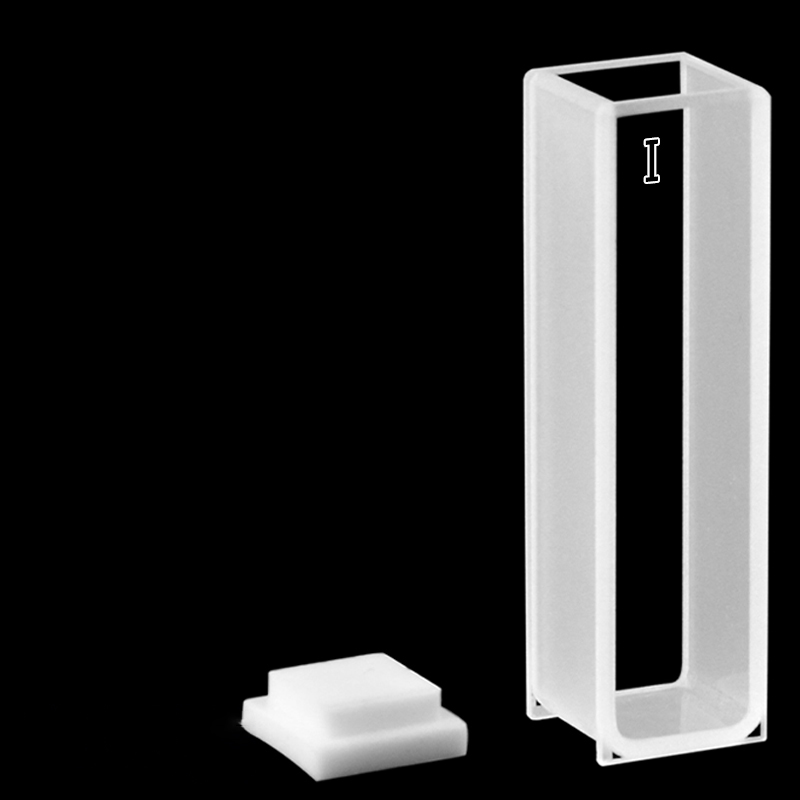
IR Quartz (JGS3) 10mm infrared cuvette, 3.5ml, Sintered 80 (>80% transmittance). Two-Way Light. PTFE Cap. 260–3500 nm. SKU: C102CA4.
In Stock
Description
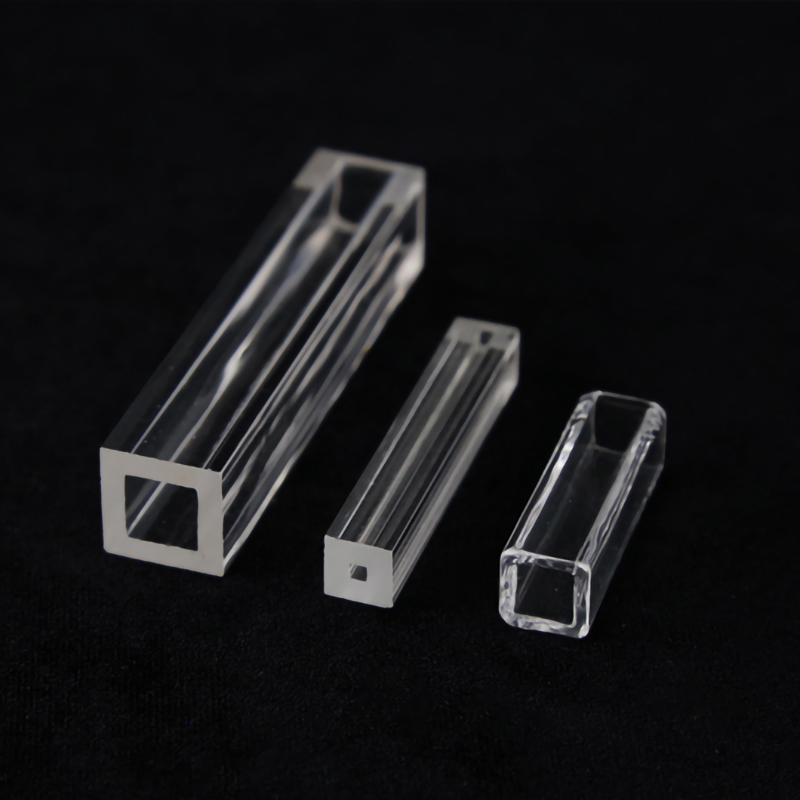
The C102CA4 is a JGS3 IR-grade infrared cuvette with 10mm path length and two-way light optical configuration — two opposing faces are polished to optical grade for standard absorbance measurements. With a 3.5ml internal volume (10 × 10 × 43 mm chamber), the cell is compatible with most commercial FTIR, NIR, and IR spectrophotometers. Manufactured from JGS3 fused silica with an extended transmittance window of 260–3500 nm — well beyond the 2500 nm cutoff of standard JGS1 quartz. Fabricated using Sintered 80 (>80% transmittance) — high-temperature sintered to fuse quartz panels without adhesive. The friction-fit PTFE cap serves as a dust cover that keeps particulates out of the sample during measurements.
| Technical Specifications — IR Infrared Cuvette | |||
|---|---|---|---|
| Material | IR Quartz (JGS3) | SKU | C102CA4 |
| Path Length | 10mm | Internal Volume | 3.5ml |
| Optical Windows | 2 (Two-Way Light) | Fabrication | Sintered 80 |
| Transmittance | >80% | Wavelength | 260–3500 nm |
| Exterior Dimensions | 12.5 × 12.5 × 45 mm | Interior Dimensions | 10 × 10 × 43 mm |
| Closure | PTFE Cap | Package | 1pc/ea |
Infrared Spectroscopy Applications
◆ FTIR Absorption Spectroscopy — functional-group identification, molecular fingerprinting, and quantitative analysis in the mid-IR
◆ NIR Spectroscopy — overtone and combination-band analysis for moisture, protein, fat, and carbohydrate determination
◆ Pharmaceutical QC — API identification, polymorph screening, and dissolution testing in the NIR/mid-IR range
◆ Petrochemical Analysis — hydrocarbon characterization, fuel-quality monitoring, and lubricant degradation studies
◆ Food & Beverage — sugar, alcohol, moisture, and adulterant detection via NIR/mid-IR absorption
◆ Polymer & Materials Science — functional-group mapping, curing-kinetics monitoring, and degradation analysis
◆ Environmental Monitoring — dissolved organic carbon, oil-in-water, and greenhouse-gas measurements
◆ Biological & Biomedical — tissue characterization, protein secondary-structure analysis, and biofluid screening
Why Two-Way Light?
Two-way light cuvettes have two opposing faces polished to optical grade, providing a single well-defined beam path for standard absorbance measurements. This is the standard configuration for FTIR, NIR, and UV-Vis-NIR spectrophotometers, delivering clean baseline performance and maximum signal-to-noise ratio for quantitative infrared analysis.
Why a PTFE Cap?
The friction-fit PTFE cap serves as a dust cover that keeps particulates and contaminants out of the sample during measurements. PTFE is chemically inert and will not leach absorbing compounds into the sample. While not airtight, the cap reduces evaporation during short measurement cycles and protects the optical surfaces when the cuvette is stored.
Why Sintered 80?
Sintered 80 uses high-temperature sintering to fuse JGS3 IR quartz panels without adhesive, delivering >80% transmittance across 260–3500 nm. The adhesive-free sintered joints are chemically inert and resistant to strong acids, bases, and most organic solvents (excluding HF and aggressive organics such as toluene and acetone). This fabrication is ideal for IR workflows involving harsh chemical matrices.
Why JGS3 IR Quartz?
JGS3 is an infrared-grade fused silica with transmittance extending to 3500 nm — significantly beyond the ~2500 nm cutoff of standard JGS1 quartz. This extended window covers the critical O–H, C–H, and N–H overtone and combination bands in the NIR region as well as fundamental absorption bands in the mid-IR. JGS3 is the material of choice for FTIR liquid cells, NIR quantitative analysis, and any spectroscopic measurement where mid-infrared transparency is required.
Usage Tips
- Rinse with a compatible solvent (e.g., ethanol or the measurement solvent) before first use to remove any residual particles.
- Do not use abrasive materials or brushes on the polished optical faces — wipe gently with lens tissue.
- Compatible with strong acids, bases, and most organic solvents (excluding HF and aggressive organics such as toluene and acetone).
- Store in the original protective case to prevent scratches on the optical windows.
- For baseline correction, fill with your reference solvent and run a blank before sample measurements.
- Compatible with Thermo Fisher, Bruker, PerkinElmer, Shimadzu, JASCO, Agilent, and most FTIR/NIR instruments.
Custom Orders
Need a non-standard path length, volume, window configuration, or closure type? We manufacture IR quartz cuvettes to your exact specifications. Request a custom quote.
Need a non-standard path length, volume, window configuration, or closure type? We manufacture IR quartz cuvettes to your exact specifications. Request a custom quote.
Disclaimer: Specifications are nominal values measured under standard laboratory conditions. Actual transmittance may vary slightly with wavelength and sample conditions. Images are representative; minor cosmetic variations between production batches are normal and do not affect optical performance.
Additional information
| Weight | 30 g |
|---|
You must be logged in to post a review.
You may also like…
10%
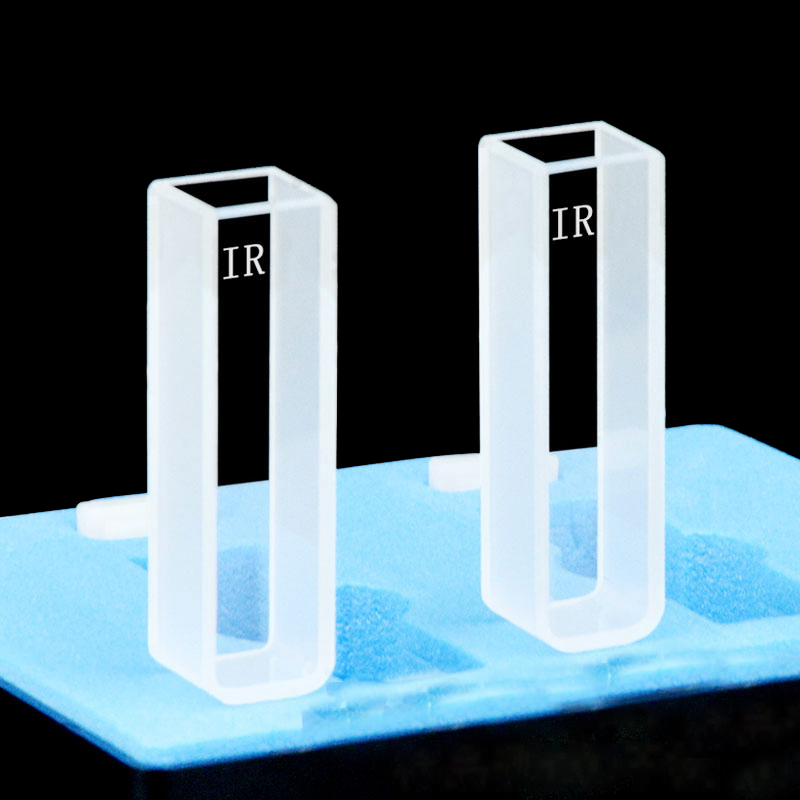
Quartz 10mm Infrared Cuvette, 3.5ml, Molded 83, Two-way Light, PTFE Cap, Pack of Two, C102CE30
Original price was: $152.00.$137.00Current price is: $137.00.10%

Quartz 10mm Infrared Cuvette, 3.5ml, Molded 83, Two-way Light, PTFE Cap, 1pc/ea, C102CE29
Original price was: $76.00.$69.00Current price is: $69.00.10%
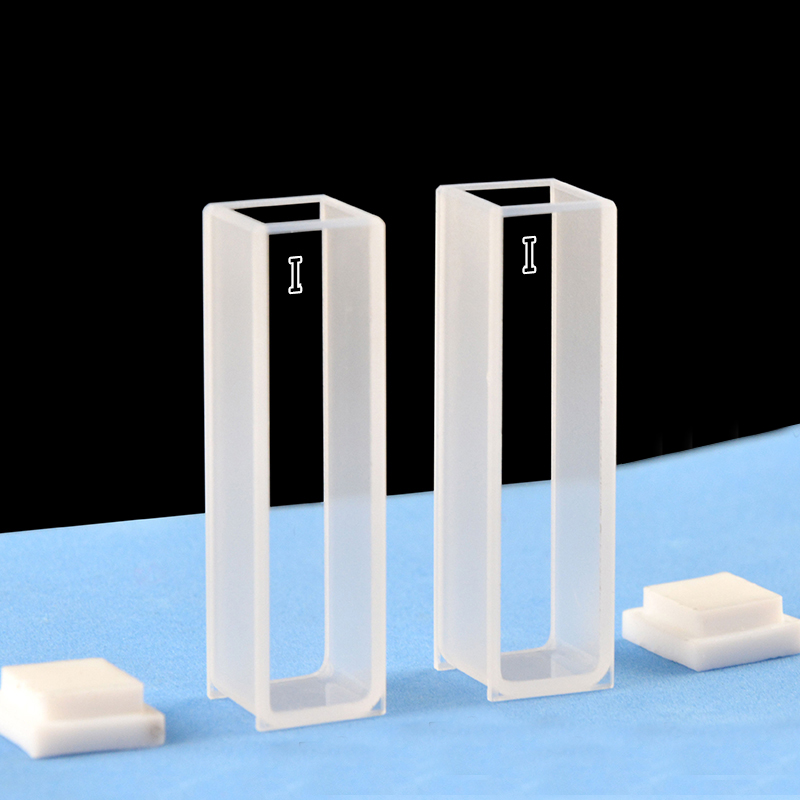
Quartz 10mm Infrared Cuvette, 3.5ml, Sintered 80, Two-way Light, PTFE Cap, Pack of Two, C102CA5
Original price was: $81.00.$73.00Current price is: $73.00.9%
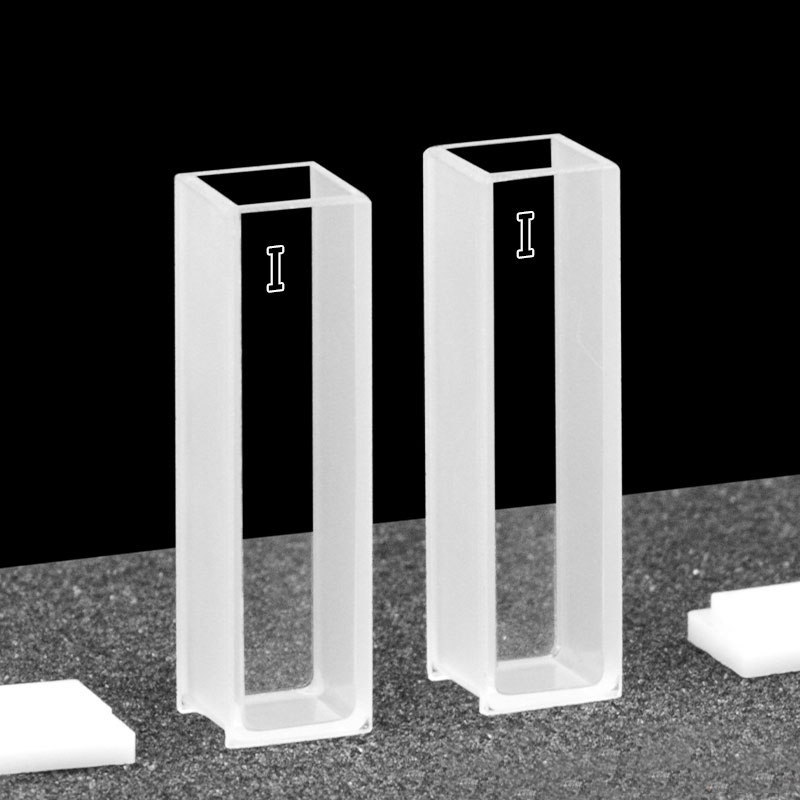
Quartz 10mm Infrared Cuvette, 3.5ml, Standard 80, Two-way Light, PTFE Cap, Pack of Two, C102CS91
Original price was: $57.00.$52.00Current price is: $52.00.Related products
14%
(MQC384) Quartz Capillary Tubes (Square), Outer Dim.: 1x1mm, Inner Dim.: 0.3×0.3mm, Length: 100mm
Original price was: $38.00.$33.00Current price is: $33.00.11%
(MQC376) Quartz Capillary Tubes (Square), Outer Dim.: 1x1mm, Inner Dim.: 0.2×0.2mm, Length: 25mm
Original price was: $19.00.$17.00Current price is: $17.00.15%
(MQC371) Quartz Capillary Tubes (Square), Outer Dim.: 1.4×1.4mm, Inner Dim.: 1.1×1.1mm, Length: 50mm
Original price was: $28.00.$24.00Current price is: $24.00.15%
Reviews
There are no reviews yet.