
Quartz IR Cuvette Guide: NIR Spectroscopy Cell Selection
Pick the right quartz IR cuvette for NIR spectroscopy (190–2500 nm). Path length for water bands, fabrication choice, and when to leave quartz for mid-IR.
Pick the right quartz IR cuvette for NIR spectroscopy (190–2500 nm). Path length for water bands, fabrication choice, and when to leave quartz for mid-IR.
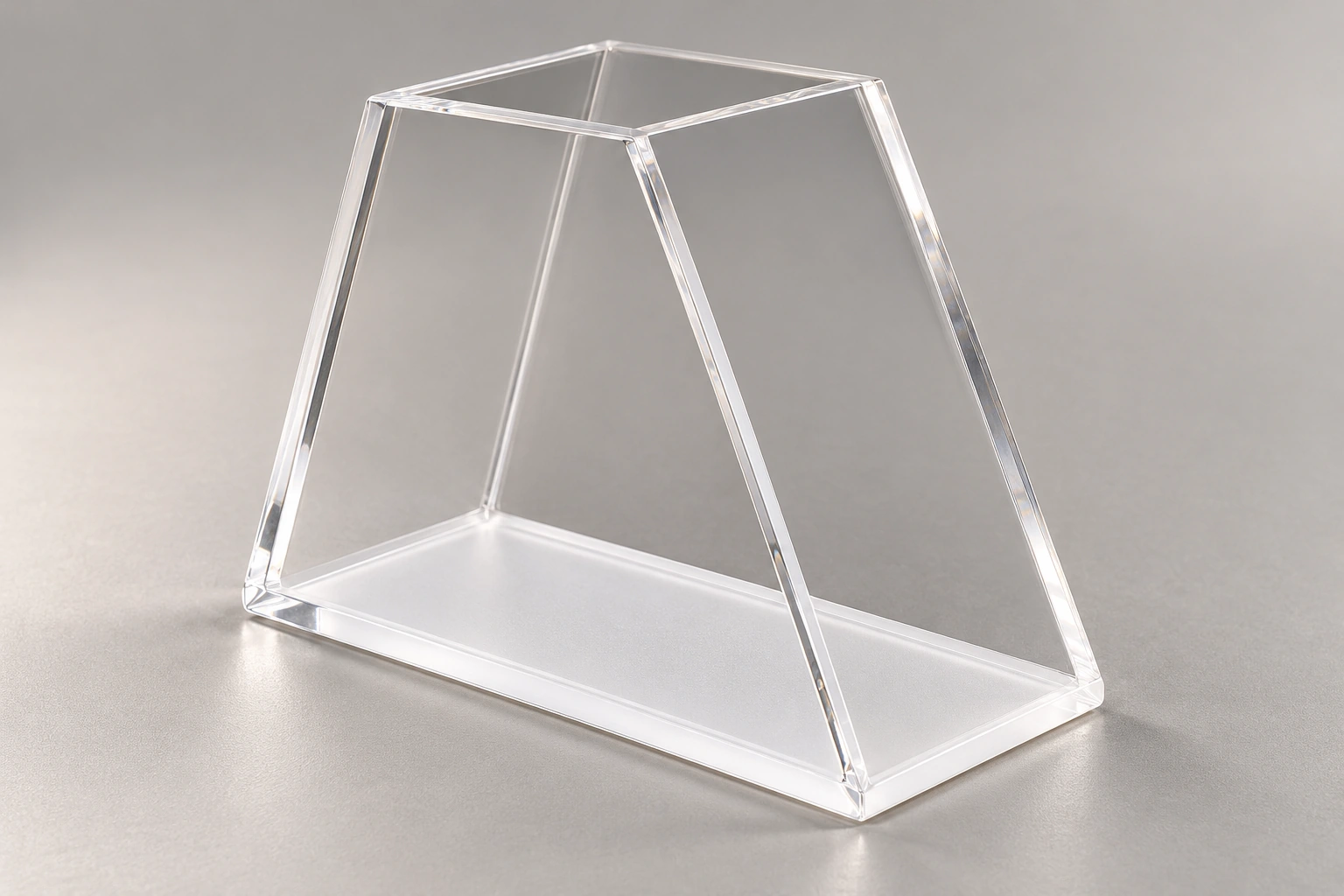
MQQHC024 uses a trapezoidal body instead of parallel upright walls. The shape is useful to discuss through viewing clearance, sample access and support, while dimensions remain drawing-dependent.
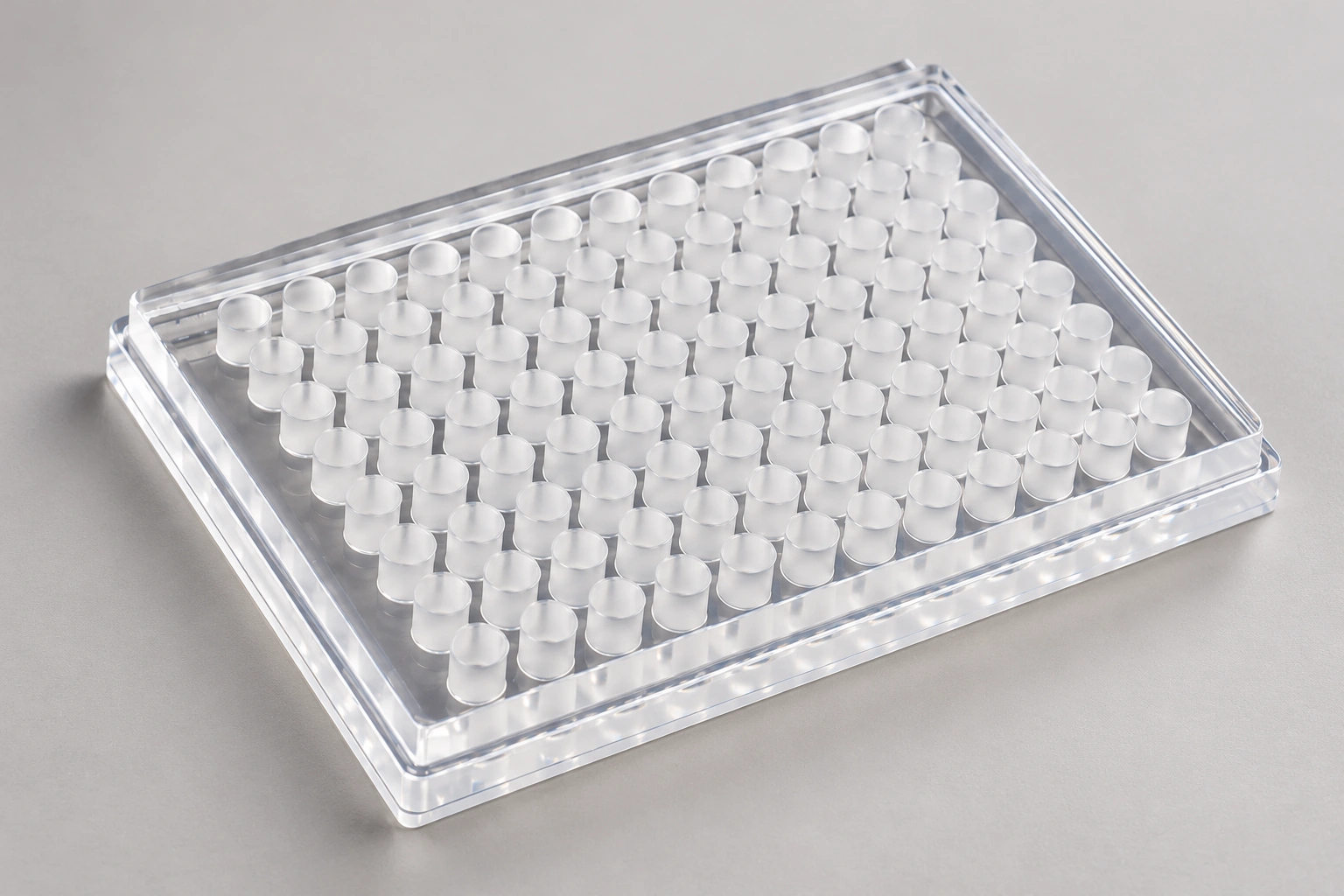
MQQMP002 is a 96-open-well JGS2 quartz-plate reference. Its matrix, sample-access pattern and optical support need specification as one assembly.
Pick the right micro cuvette for samples from 5 µL to 1.7 mL. Path length, aperture geometry, Z-dimension, pipetting accuracy — with the decision matrix.
Step-by-step cuvette cleaning protocols for proteins, DNA, organic solvents, and stubborn stains. Chromic acid, piranha, Hellmanex compared, plus drying tips from MachinedQuartz.
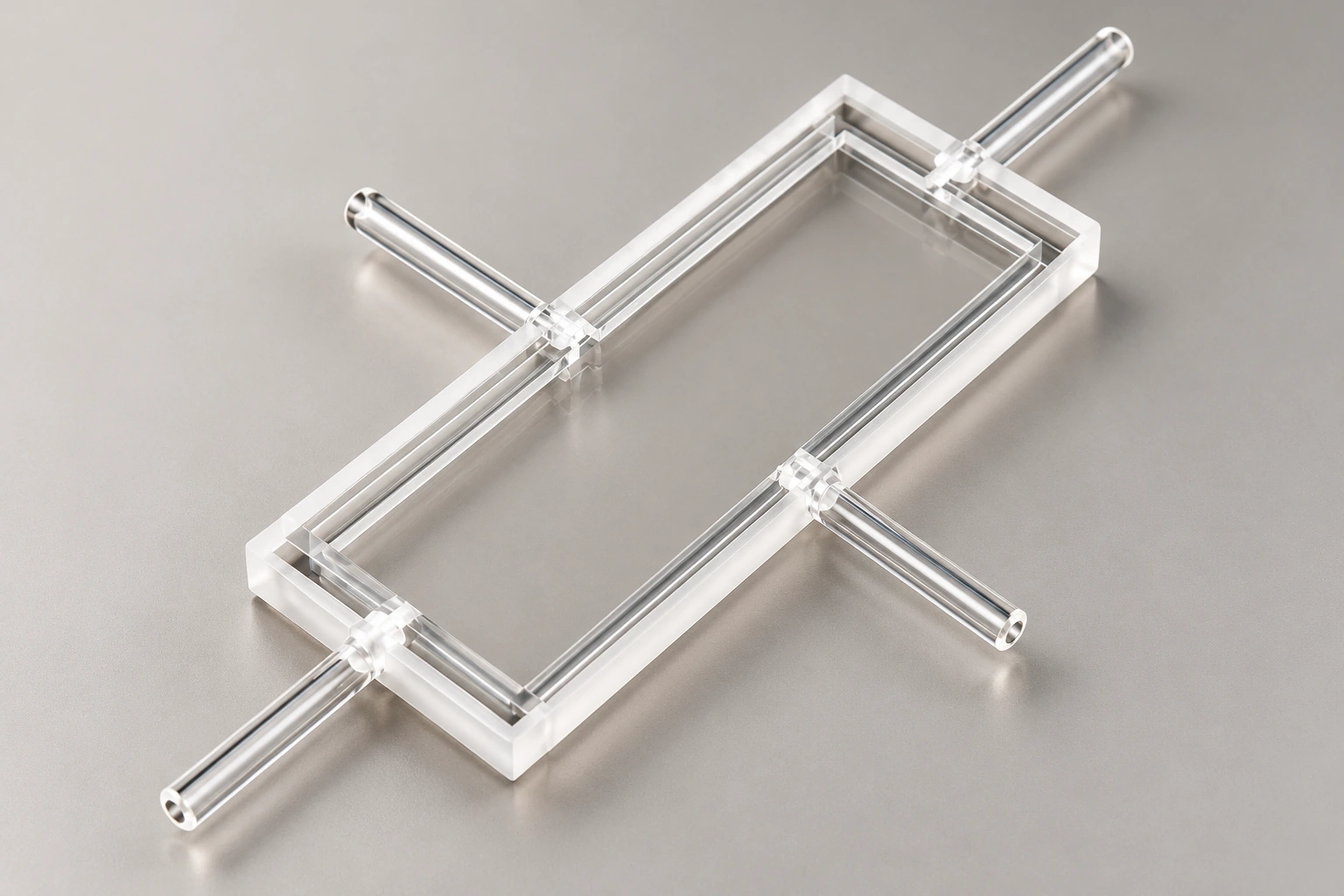
MQQFC003 has a flat quartz body with four visible connection tubes. The window planes and the complete connection envelope need separate references.
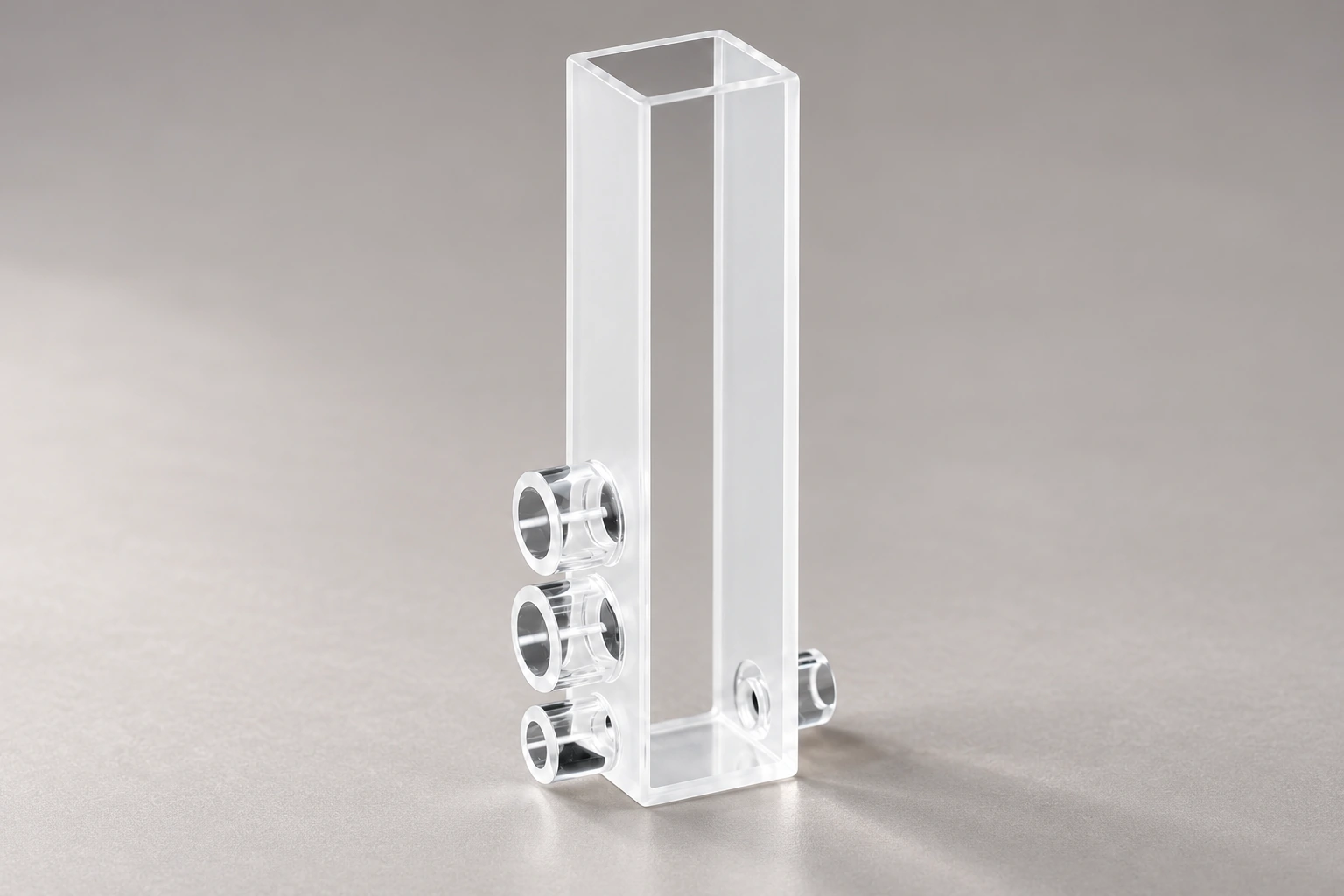
MQQFC134 combines an open top with four visible side connections. The open mouth and the side tubes serve different access and routing questions.
Choose the right fluorescence cuvette: 4-sided polish, autofluorescence, micro-volume options, quartz vs glass — practical 90° detection geometry diagrams from MachinedQuartz.
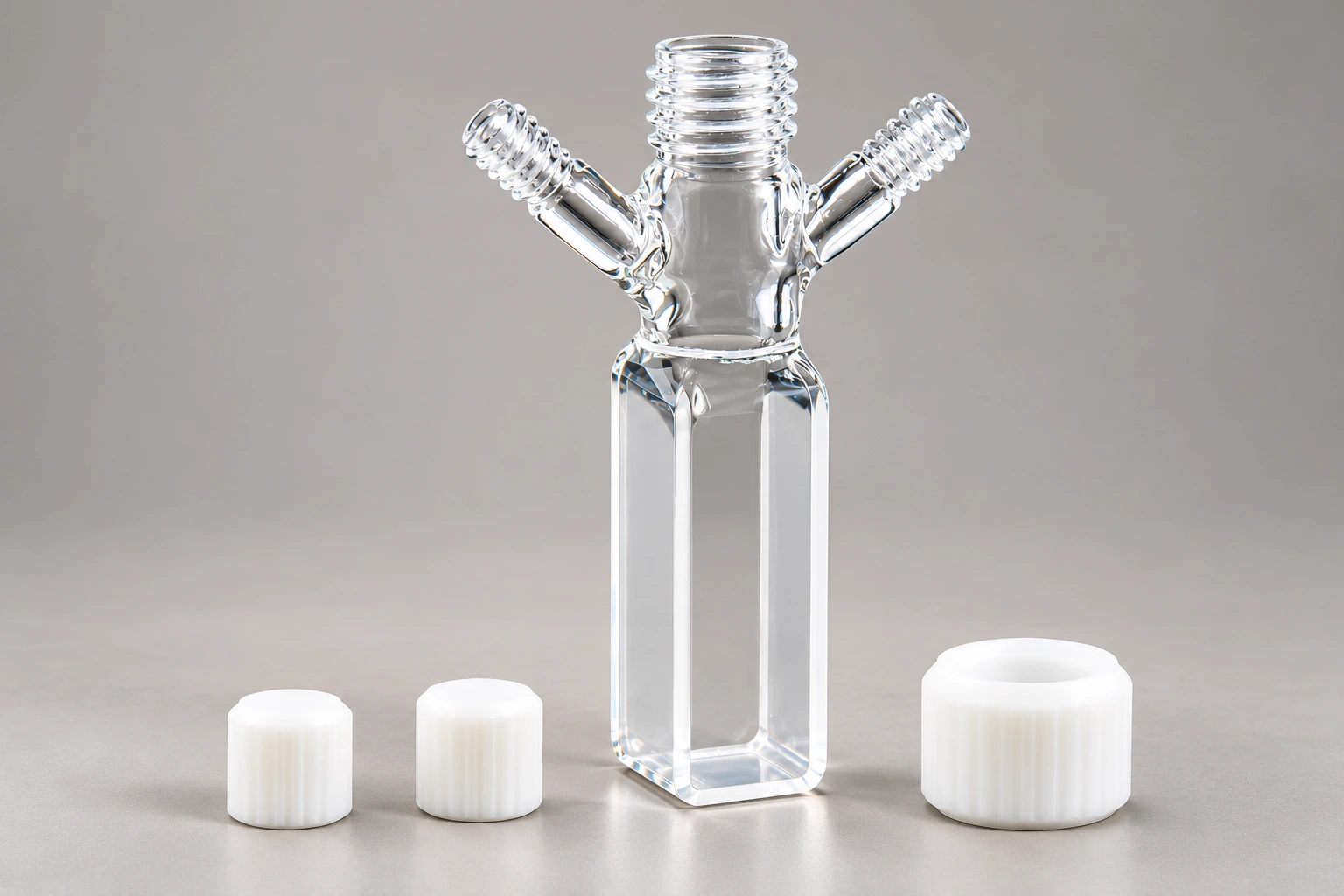
MQQSC048 has three threaded openings arranged above the sample body. Each opening needs a stated purpose and room for its closure or accessory.
Six-step cuvette-first protocol for measuring absorbance accurately — with Beer–Lambert math, linear-range guidance, and a per-step uncertainty budget.


Recent Comments