
10mm Glass Micro Cuvette, 1.75ml, Standard 80, Two-way Light, PTFE Cap, Pack of Two, C102CS50
9%

Original price was: $34.00.$31.00Current price is: $31.00.
Glass 10 mm micro cuvette, 1.75 ml (5 mm slit), Standard 80 (>80%). Two-Way Light. 340–2500 nm. PTFE Cap. Pack of Two. SKU: C102CS50. In Stock.
In Stock
Description
The C102CS50 supplies a pair of glass 10 mm micro cuvettes with a 5 mm slit width and 1.75 ml volume — the largest aperture in the micro-volume series. With maximum light throughput and half the sample demand of a standard cell, this pack is an economical workhorse for teaching labs, QC stations, and any workflow requiring frequent sample-and-reference paired measurements.
Technical Specifications
| Specifications – C102CS50 Glass Micro Cuvette | |||
|---|---|---|---|
| Material | Optical Glass | SKU | C102CS50 |
| Type | Glass Micro Cuvette | Path Length | 10 mm |
| Internal Volume | 1.75 ml | Slit Width | 5 mm |
| Optical Windows | Two-Way Light | Fabrication | Standard 80 |
| Transmittance | >80% | Wavelength | 340–2500 nm |
| Exterior Dimensions | 12.5 × 12.5 × 45 mm | Interior Dimensions | 5 × 10 × 43 mm |
| Cap Type | PTFE Cap | Package | Pack of Two |
Spectroscopy Applications
◆ UV–Vis Absorbance (340–2500 nm)◆ Clinical Chemistry & Diagnostics◆ Pharmaceutical QC & Drug Analysis◆ Environmental Water Testing◆ Food & Beverage Quality Control◆ Teaching & Student Laboratories◆ Enzyme Kinetics (micro-volume)◆ Colorimetric Assays (Bradford, BCA, Lowry)
Why a 5 mm Slit Micro Cuvette?
Micro cuvettes use a reduced internal width (slit) to lower the required sample volume while maintaining the standard 10 mm optical path length for direct comparison with Beer–Lambert calculations. The 5 mm slit in this cell requires only 1.75 ml to fill the beam path — the widest micro option, offering the best balance of sample savings and signal quality. Choose a narrower slit when sample is scarce; choose a wider slit when signal intensity matters most.
Why Optical Glass?
Optical glass cuvettes transmit reliably from 340 nm into the near-IR, covering the vast majority of visible-light and near-UV assays at a fraction of the cost of quartz. For applications that do not require deep-UV measurements below 340 nm, glass micro cuvettes deliver excellent price-performance and are the standard choice in clinical, educational, and industrial QC settings.
Usage Tips
Filling: Use a pipette or syringe to introduce sample slowly from the top, avoiding air bubbles trapped against the narrow slit walls.
Cleaning: Rinse immediately with deionized water or an appropriate solvent. For protein residue, soak briefly in dilute detergent or 1% SDS, then rinse thoroughly.
Orientation: Ensure the two polished optical faces are aligned with the light beam. The frosted sides should face the cuvette holder walls.
Custom Orders: Need a different slit width, volume, or material (quartz for deep-UV)? We offer custom micro cuvette fabrication. Contact us with your specifications.
Specifications are nominal values measured under standard conditions. Actual transmittance may vary slightly by wavelength. Images are representative; minor cosmetic variations do not affect optical performance.
Additional information
| Weight | 30 g |
|---|
You must be logged in to post a review.
You may also like…
10%

Quartz 10mm Ultra-Micro Cuvette, 50 µl, Standard 80, Four-Way Light, PTFE Cap, 1pc/ea, C104CD15
Original price was: $223.00.$201.00Current price is: $201.00.10%
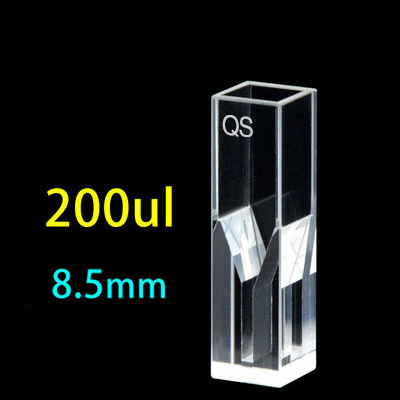
Quartz 10mm Ultra-Micro Cuvette, 200 µl, Standard 80, Four-Way Light, PTFE Cap, 1pc/ea, C104CD12
Original price was: $171.00.$154.00Current price is: $154.00.10%
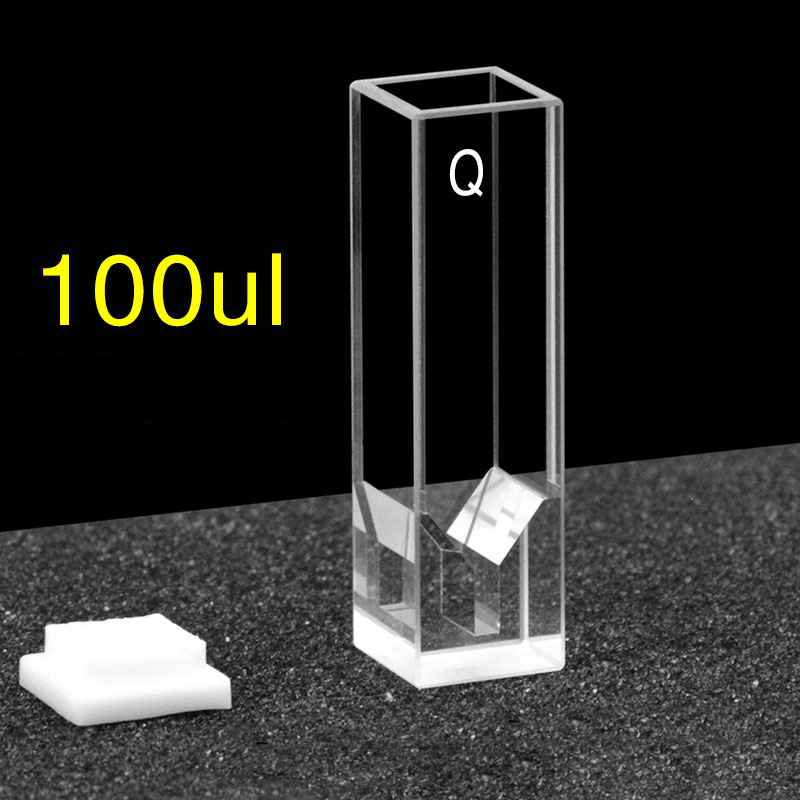
Quartz 10mm Ultra-Micro Cuvette, 100 µl, Standard 80, Four-Way Light, PTFE Cap, 1pc/ea, C104CD16
Original price was: $223.00.$201.00Current price is: $201.00.10%
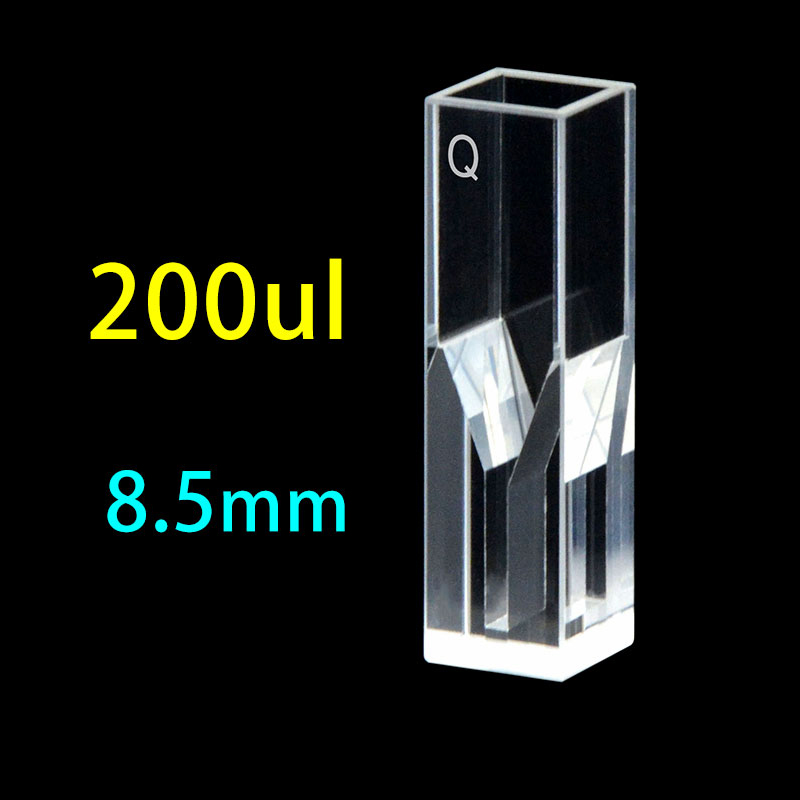
Quartz 10mm Ultra-Micro Cuvette, 200 µl, Standard 80, Four-Way Light, PTFE Cap, 1pc/ea, C104CS99
Original price was: $156.00.$141.00Current price is: $141.00.Related products
11%
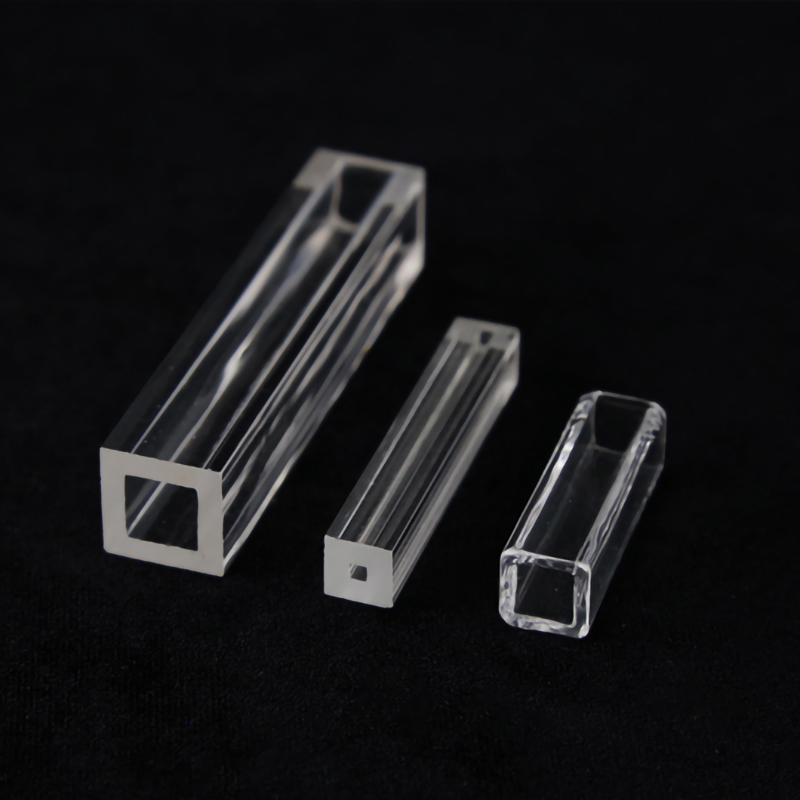
(MQC370) Quartz Capillary Tubes (Square), Outer Dim.: 1.4×1.4mm, Inner Dim.: 1.1×1.1mm, Length: 25mm
Original price was: $19.00.$17.00Current price is: $17.00.15%
(MQC380) Quartz Capillary Tubes (Square), Outer Dim.: 1x1mm, Inner Dim.: 0.6×0.6mm, Length: 50mm
Original price was: $28.00.$24.00Current price is: $24.00.11%
(MQC377) Quartz Capillary Tubes (Square), Outer Dim.: 1x1mm, Inner Dim.: 0.6×0.6mm, Length: 25mm
Original price was: $19.00.$17.00Current price is: $17.00.15%
Reviews
There are no reviews yet.