
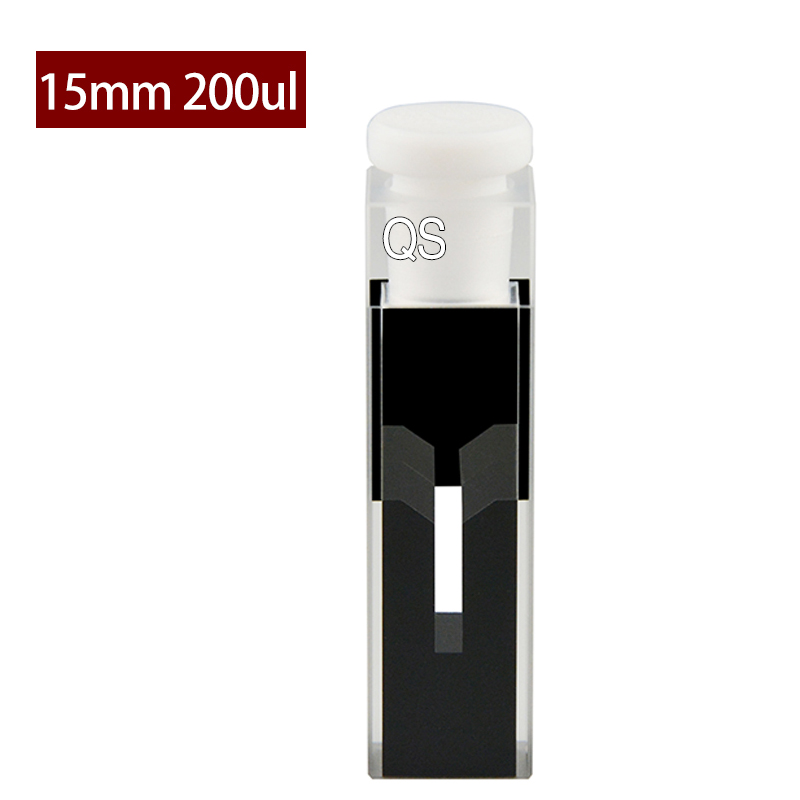
Quartz 10mm Cuvette With Stopper For Ultra-Micro Volume, 200 µl, Standard 80, Two-Way Light, Stopper, 1pc/ea, C102SD2
10%
Original price was: $133.00.$120.00Current price is: $120.00.
Quartz 10 mm ultra-micro two-way cuvette, 200 µl minimum fill, Z = 15 mm. Standard 80 (>80% transmittance). PTFE Stopper. 190–2500 nm. SKU: C102SD2.
In Stock
Description
The C102SD2 is a precision quartz ultra-micro cuvette with 10 mm path length and two-way light optical windows, designed for UV-Vis spectrophotometry (190–2500 nm). The two-way light configuration transmits the beam through two opposing polished optical faces, delivering clean baseline performance for absorbance measurements. A raised quartz platform inside the cuvette body elevates just 200 µl of sample to the beam center at Z = 15 mm, saving 94% compared to a standard 3.5 ml cell. Fabricated using Standard 80 (>80% transmittance). Includes a PTFE stopper for chemical-resistant sealing and evaporation prevention.
| Technical Specifications | |||
|---|---|---|---|
| Material | Quartz (Fused Silica) | SKU | C102SD2 |
| Path Length | 10 mm | Minimum Volume | 200 µl |
| Optical Windows | 2 (Two-Way Light) | Z Dimension | 15 mm |
| Fabrication | Standard 80 | Transmittance | >80% |
| Wavelength | 190–2500 nm | Exterior Dimensions | 12.5 × 12.5 × 45 mm |
| Cap | PTFE Stopper | Package | 1 pc/ea |
⚠ Z = 15 mm — Verify Compatibility: This cuvette requires a spectrophotometer with 15 mm beam center height. Most standard UV-Vis instruments use 8.5 mm. The 15 mm Z is designed primarily for fluorescence spectrometers (Horiba FluoroMax, JASCO FP series, Edinburgh Instruments). Using in an 8.5 mm instrument will produce erroneous readings. Contact us if unsure.
Why PTFE Stopper?
The PTFE stopper provides a secure, chemical-resistant seal that prevents solvent evaporation and protects samples from atmospheric contamination. PTFE (polytetrafluoroethylene) is inert to virtually all laboratory chemicals, making this stopper suitable for use with aqueous buffers, mild organic solvents, and air-sensitive samples. The stopper enables safe inversion for gentle mixing without leaks, and maintains stable sample concentrations during extended kinetic measurements where even minor evaporation would compromise results.
Applications
◆ UV-Vis spectrophotometry (190–2500 nm)
◆ Protein (A280) & nucleic acid (A260) quantification
◆ Enzyme kinetics & reaction monitoring
◆ Pharmaceutical QC & purity testing
◆ Deep UV spectroscopy (<220 nm)
◆ Micro-volume analysis with only 200 µl
Why Ultra-Micro?
A raised quartz platform elevates 200 µl of sample precisely into the spectrophotometer beam at Z = 15 mm, saving 94% compared to a standard 3.5 ml cell while maintaining the full 10 mm optical path (Beer–Lambert law: A = εlc). This is essential for precious biological samples, limited column fractions, or expensive synthetic compounds. Important: the Z dimension must match your instrument’s beam center height — verify before ordering.
Black-Wall Design Benefits
This cuvette features a black-wall (dark-wall) exterior on the two non-optical faces. The opaque coating absorbs stray ambient light and eliminates fluorescence interference from scattered excitation photons bouncing off internal walls. Benefits include: reduced stray-light artifacts at low absorbance readings, improved signal-to-noise in fluorescence measurements, cleaner baselines in the deep-UV region (<230 nm) where scattered light is most problematic, and sharper spectral resolution in high-sensitivity absorbance work. If your application does not require lateral light transmission (excitation/emission at 90°), the black-wall two-way configuration delivers measurably better optical performance than an all-clear four-way cuvette.
Why Standard 80 Construction?
Standard 80 refers to precision-glued assembly: individual quartz panels bonded with optical-grade adhesive, then ground and polished to final dimensions. With >80% transmittance across 190–2500 nm, Standard 80 delivers accurate, reproducible results for routine UV-Vis work — DNA/protein quantification, enzyme kinetics, and pharmaceutical analysis. Important: the adhesive bonds are designed for aqueous samples only (water, buffers, dilute salt solutions). Organic solvents, strong acids, strong bases, and corrosive reagents can attack and degrade the adhesive joints. For work with organic solvents or aggressive chemicals, choose Sintered 83 or Molded 83 instead.
Usage Tips: Handle by non-optical surfaces only — avoid touching polished windows. Rinse immediately after use with an appropriate solvent. Standard 80 adhesive bonds are suitable for aqueous samples only (water, buffers, dilute salt solutions). Do not use with organic solvents, strong acids, or strong bases — these will attack the adhesive joints. For organic or corrosive solvents, upgrade to Sintered 83 or Molded 83. Compatible with Shimadzu, Agilent, PerkinElmer, Thermo Fisher, JASCO, Hitachi, and most commercial spectrophotometers.
Custom Orders & Academic Purchasing: Need a custom size, path length, or window configuration? We offer made-to-order cuvettes tailored to your specifications. Academic institutions: we accept Purchase Orders (POs) with pay-after-delivery terms. Contact us for quotes and custom requests.
Disclaimer: This product is intended for laboratory and research use only. It is not designed, approved, or intended for use in medical diagnostics, therapeutic procedures, or any clinical application involving human or animal subjects. The buyer assumes all responsibility for determining the suitability of this product for their specific application.
Additional information
| Weight | 30 g |
|---|
You must be logged in to post a review.
You may also like…
10%
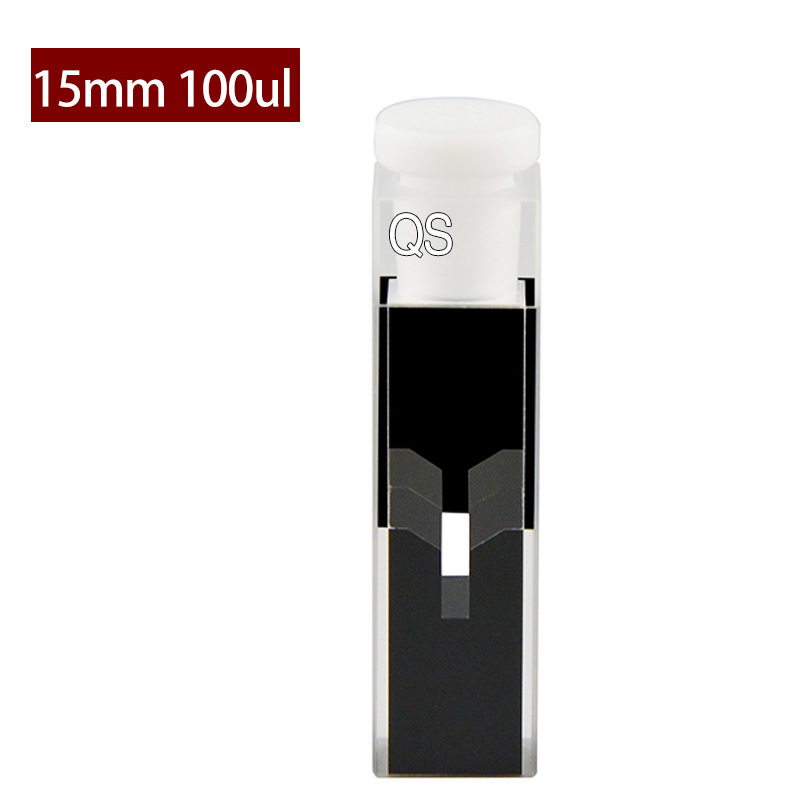
Quartz 10mm Cuvette With Stopper For Ultra-Micro Volume, 100 µl, Standard 80, Two-Way Light, Stopper, 1pc/ea, C102SD1
Original price was: $142.00.$128.00Current price is: $128.00.10%
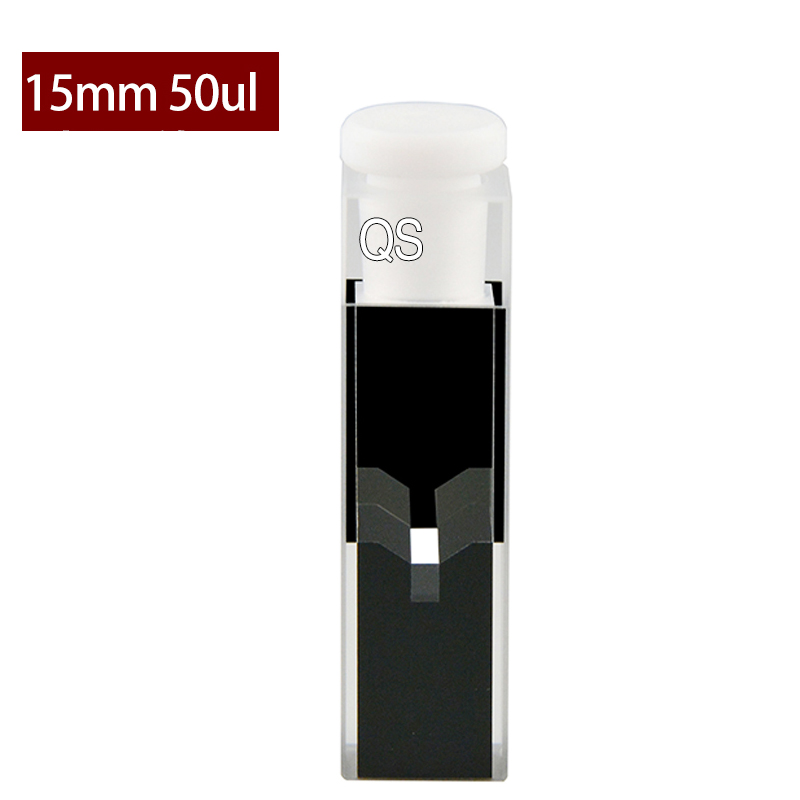
Quartz 10mm Cuvette With Stopper For Ultra-Micro Volume, 50 µl, Standard 80, Two-Way Light, Stopper, 1pc/ea, C102SD
Original price was: $142.00.$128.00Current price is: $128.00.10%

Quartz 10mm Ultra-Micro Cuvette, 20 µl, Standard 80, Two-Way Light, PTFE Cap, 1pc/ea, C102CD12
Original price was: $237.00.$214.00Current price is: $214.00.10%
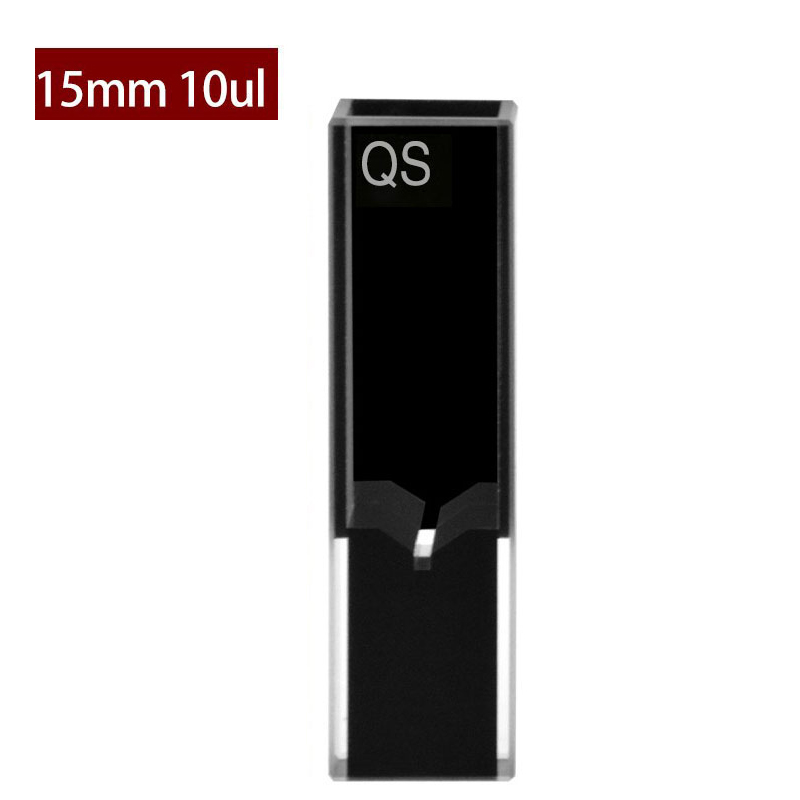
Quartz 10mm Ultra-Micro Cuvette, 10 µl, Standard 80, Two-Way Light, PTFE Cap, 1pc/ea, C102CD11
Original price was: $237.00.$214.00Current price is: $214.00.Related products
11%
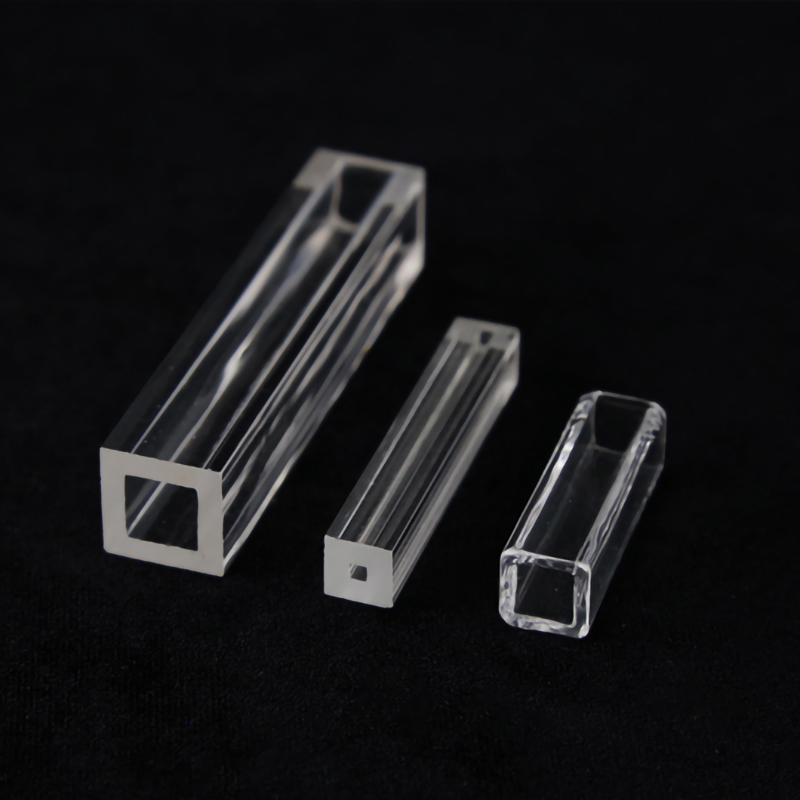
(MQC376) Quartz Capillary Tubes (Square), Outer Dim.: 1x1mm, Inner Dim.: 0.2×0.2mm, Length: 25mm
Original price was: $19.00.$17.00Current price is: $17.00.14%
(MQC382) Quartz Capillary Tubes (Square), Outer Dim.: 1x1mm, Inner Dim.: 0.2×0.2mm, Length: 100mm
Original price was: $38.00.$33.00Current price is: $33.00.15%
(MQC380) Quartz Capillary Tubes (Square), Outer Dim.: 1x1mm, Inner Dim.: 0.6×0.6mm, Length: 50mm
Original price was: $28.00.$24.00Current price is: $24.00.14%
Reviews
There are no reviews yet.